To smell the flowers

IMG_4230

It’s been a funny few months. I say ‘funny’, but I don’t mean ‘haha’ funny. More like a peculiar, confusing funny. The ‘I’ll laugh otherwise I’d cry’ kind of funny, although I’ve still admittedly shed quite the volume of tears over the past few months (though some that know me would say this isn’t necessarily unusual for me). The point is, I’ve run the gamut of emotions in a condensed amount of time, and it’s left me feeling really weird lately. An emotion I can’t quite pinpoint. How annoying. 

It’s been understandably difficult dealing with my husband’s evolving medical issues, though I can say after more than 6 years of relentless, terrifying situations, I genuinely feel like we face these issues with much more pragmatic attitudes than ever before. It never stops being terrifying and emotional, but I’m immensely proud of the way we’ve faced recent events and pushed ahead with logic. Though we’d give anything (literally anything!) not to have to deal with this crap, in a twisted way, I’m grateful that we, as individuals and as a pair, have become better versions of ourselves off the back of what we’ve experienced. Just the fact that I can type this now shows that I’ve grown a lot as a person – that I can take a step back from the chaos and analyse it logically. And better yet, that I can admit that there’s any glimmer of a silver lining in the shitty cards we’ve been dealt in life shows how far I’ve come. Every cloud, eh?

As a quick update for those following this insane medical journey: we’ve found a private neurologist in the last few months who my husband describes as ‘the best doctor’ he’s ever had. And considering his medical history, you can be damn sure he’s seen plenty, so this judgment points to good things. The doctor treats us like human beings (gasp!), has a sensible approach to health backed by science (not always a guarantee these days) and genuinely seems to want to help. This is the first time we’ve not felt like lepers in a doctor’s office. It’s still early days in my husband’s current treatment, but we’ve got a course of action… and then several other courses of action planned should the first one not pan out. So in short: we’re happy and optimistic – something we weren’t feeling at the start of the year. Fingers crossed the trajectory continues this way.

Whilst all this was going on in the background, as is usual fashion for me, a tornado was wreaking havoc in other parts of my life too. I’m still waiting for the reality TV crew to jump out from their hiding spots, but until then…

The company I work for went through some major internal structural changes recently that left my entire team facing redundancy. It happened very quickly – we were told our roles were being made redundant, proposed new positions were explained, those who wanted to stay had to interview for these very few new open roles, then we were told if we were successful or if we were out the door. All within 30 days. As you can imagine, this was incredibly stressful and emotional. I went through every stage of grief, no lie, and I for sure had severe moments of ‘why now, why me?!’. Nevertheless, I pushed through the best I could, and I attribute that both to the strength I’ve found in past life experiences, as well as to the people who helped prop me up and cheer me on throughout the process. Though I’m grateful I landed a new role at the company I love so much, I’m simultaneously grieving the loss of many fabulous colleagues and friends. It’s a complicated time, gang.

I went on a much-needed holiday, then came home and immediately fell very ill for a very long time. I faced conflicts with people I love. I made distant future plans knowing life could change by then. I went to the doctor for myself – twice! I’ve been let down. I’ve been surprised. I’ve been socially awkward and shockingly social.

These last few months have forced me to think about my own wants and needs much more critically, and to make very hard decisions quickly. I’m not a fan of making quick decisions on a normal day, so it’s been particularly difficult of late. I’ve had way too many anxiety attacks to count, but whilst they’ve been frequent, they’ve been brief. I’m slowly learning how to regularly claw my way out of these moments (with obvious external help from those around during an episode – thank you!), and so I say again: every cloud.

I’ve made regular use of the ‘block’, ‘unfriend’ and ‘hide’ functions on social media platforms, protecting myself from toxic people who trigger me. I thought this would be hard to do – I don’t like the aggressive feeling of doing this – but I can honestly say that it’s helped me so much more than I could’ve expected. I’ve also made use of the word ‘no’. Little miss ‘too-afraid-to-disappoint-people’ and ‘gives-everyone-10-billion-second-chances’ has given firm nos to negative influences who’ve tried to reach out. Who am I?! I won’t say this was easy to do in the moment, but after doing it once and realising I was better off for it, I find myself becoming much more comfortable looking after myself and not feeling guilty for doing it. Guess this is growing up, ya’ll!

I don’t think I’m feeling optimistic or particularly positive, but the main thing is that I’m trying to. It’s taken me many, many years, but I now feel like it’s okay to put myself first. This doesn’t mean that I care less about anyone else, but rather I care so much that I want to ensure I’m putting the best version of myself forward first. Not the tired, broken down version I previously offered. I’m not saying I’m killing the game over here – I still have bad days where I just can’t get a grip on my anxiety and collapse into a ball of erratic, irrational emotions. But I can say I don’t feel like a failure on these days anymore. I am allowed to feel broken. I am allowed to be angry and resentful about the cards I’ve been dealt. I’m allowed to have ‘woe is me’ days. But above all this, I know I’m allowed to be happy and continue to seek happiness. I’m allowed to change my mind and my mood. I’m allowed to be! It’s crazy that I’m only just now coming to this realisation, but I’m very glad I did.

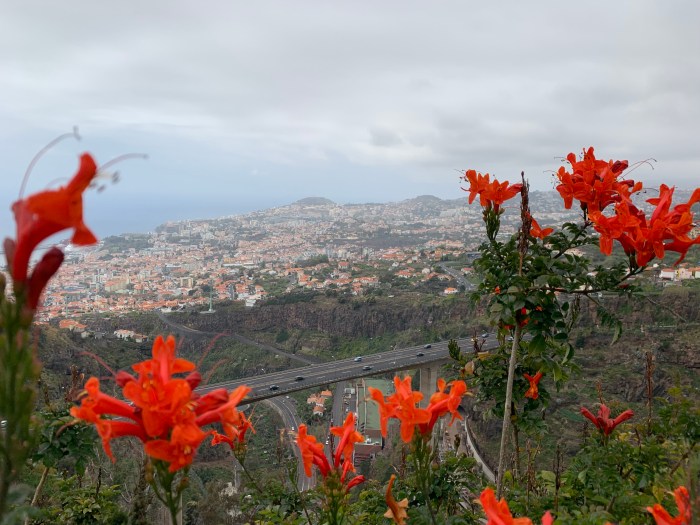
And now, I think I’ll take some time to stop and smell the flowers. It’s a crazy life, folks. But there’s always a little beauty to see. You just gotta know where to look for it.
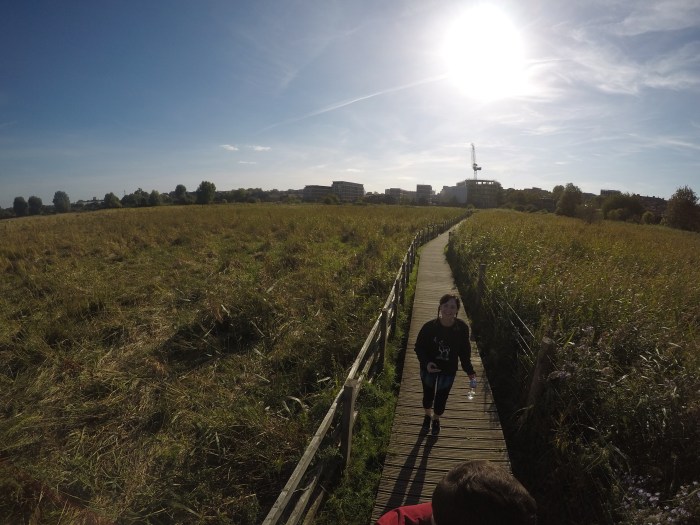
We all march on…

img_1876.jpg

I’m just going to slide into this blog post acting as if it’s only been a blip in time since I’ve last posted. It’s okay to start this one out on a lie, yeah? Great, glad we’re in agreement there. Moving swiftly along…

Hi buds! Can you believe it’s 2019 already? I can’t! OK, great. Chit chat – done!

Life sucks. Pardon the melodrama here, but honestly it’s become such a drag lately I genuinely feel like all I ever do is whine and complain and I hate it. I’ve wanted to write about it for so long, but I felt like if I did, I’m just painting myself as this world-class complainer who can never see the good side in life. I don’t want to be that person in the slightest, so instead, I just shut up. But that doesn’t help me emotionally, and it certainly doesn’t help anyone else who cares about me and wants to help. So despite still having reservations about writing this post, here I am. Doing it anyway! *insert awkward grimacing face here*

The last you heard from me, I was talking about my husband’s vitamin deficiency. Plot twist! Turns out, that was never the problem. Also turns out, nobody knows what is the problem. Sound familiar? We’ve done this song and dance so many times, it’s almost weirdly expected now. We’ve been in and out of the hospital the last six months – the emergency department a few times – test after test, waiting for someone to find a lead and bring us closer to an answer to the problem. I’ve been having flashbacks to the time we had to do all this before his CRPS diagnosis, and it is honestly heart-wrenching (and unbearable) remembering it took years of suffering before a doctor diagnosed him. Can I handle that again? Can he? And even now, not all doctors agree that he does, in fact, have CRPS. Every doctor seems to have a differing opinion, but I guess that’s just the nature of a syndrome, eh? In any case, this was never a place I expected us to be back in… ever, let alone this soon after having just rode this crazy train to CRPS land. I want off the damn train.

Every day at work, someone asks me how I’m doing. It’s a natural, casual question, not intended to be loaded in any way. For the last six months, my answer has literally been the same no matter who asks: I’m tired. I keep joking that exhaustion is now just a part of my overall personality, but in my head I do kind of feel like it has overcome me as a person and I’m incapable of being or acting any other way. It’s exhausting being this exhausted! I find myself digging back through my photo archives, reminiscing about years before, wishing I hadn’t taken such a carefree life for granted now that I’ve learned how overwhelming it’d all become. Then the guilt strikes, hard, in waves, and I’m chastising myself for being so negative. My thought patterns are wildly unpredictable, and I can’t even keep up with myself most days. So, I keep it simple when people ask. I’m just tired, and leave it at that.

I’ve mentioned before that I often approach a new year by reflecting on the one that’s just gone, to shed myself of those feelings to begin anew each year. Most of 2018 wasn’t all too bad. Health-wise, my husband wasn’t great the majority of the year, but it had become our new normal and we were just living with it. I felt lonely and isolated a lot, but lacked the motivation to do anything about it. But toward the end of the year, the feelings of pride I had for handling the difficult life the universe crafted for me with grace were quickly replaced with intense fear, uncertainty and crippling anxiety. As his health degraded and new symptoms were emerging, we were absolutely gripped by what was happening. I more or less blacked out from September onward, unable to think of much else apart from his health and what I could or should do to help fix it. Every moment of my time was spent worrying about him, whether he was around me or not. Not only did the new symptoms present more problems going about our ‘normal’ lives, but they seemingly made previous, regular symptoms worse.

But when Christmas finally rolled around, he was starting to feel a little better, and since medical tests hadn’t found anything still, we thought maybe we were in the clear. A fluke, surely. He got back to feeling more positive, laced up his running shoes and stared his pain condition directly in its non-existent face; running each weekend brought him pain, but also joy. The thing that he loved most before the nerve condition turned up uninvited. He was doing it again (!!), slowly and very carefully, but I could see his pure joy and god, how fulfilling that is to witness. Short lived, of course. Isn’t it always?

A few months later, the symptoms were back: extreme dizziness, blurry and/or double vision, intensified pain, localised unintentional muscle contractions, insomnia. A change in diet had improved his gastro symptoms, but nothing else. Blood tests still revealed no abnormalities. I think I took it hardest at first. I felt foolish and naive – how dare I think the issue resolved itself overnight? Haven’t I learned anything in this journey so far? How could I let him down by not being the pragmatic one? I was livid. At myself, at this mystery illness, at the universe. Why couldn’t I help him? It all feels so unfair and I can’t understand why we don’t deserve a break. It’s hard. Every day I’m fighting my own emotions, it’s no wonder I’m this exhausted.

My resolution this year was to be more sociable and make more friends. One thing that makes dealing with my life so difficult lately is that I genuinely do not have friends to help me escape – my mind, the situation, my life (sometimes). Especially in my new country. I don’t mean that to be cruel or dramatic or insensitive to the people who are in my life, but to be completely honest, I do not have anyone who regularly checks in on me without me having to prompt it first. Maybe this is my fault. I can be very closed off and I’ve often backed out of plans with others (because, this life), so I can totally see how I’ve made myself unapproachable in general. Nevertheless, it is hard seeing my husband’s phone light up with messages from friends and colleagues simply checking in, asking if he wants to grab a drink, shoot the breeze – all because they want to. He’s got friends fairly regularly asking him to do things and he’s the one with the disability, but I’ve often been sat at home alone waiting for him to return (and worrying if he’s okay). Don’t get me wrong, I’m thrilled my husband has people in his life like this. It relieves some of the burden and guilt I feel when I think I’m not being or doing enough for him. But still, I’m jealous. I wish I had people who wanted to take my mind off the things troubling me most! And boy, is it hard to make friends as an adult. In any case, I decided I didn’t like feeling so lonely and pathetic, so that’s why I endeavoured to put myself out there more often – social anxiety be damned!

It’s slow going, I’ll admit. I’m still resentful that I’ve seemingly been unable to pick people to stay in my life of their own volition. I can’t help but feel like there must be something wrong with me for people to forget about me so easily or treat me unkindly. I still struggle to shake this ‘woe is me’ feeling I have so often. But! I’ve started to make new friends. People who have so far been kind enough to reach out on their own accord and invite me to do things, ask me how things are, assure me they’re there to talk or not talk – whatever I want or need at any time. I am apprehensive, at best. I want to trust that opening up to new people will bring in new friendships I crave, but I’m also afraid I’ll lose them just as quickly. My life is so unique to the average 20-something, and I’m hyper aware that none of these people may understand the life of a caregiver. Because that’s what I am, really. But I am still trying and being more social and slowly opening up to new people. It is likely I’ll get hurt. I know this – such is life. But if there’s even a small chance that one of these wonderful new people in my life will stick around, then it makes it all worth it. We need people. And I need people to help remind me that I’m still young and have a whole, exciting life ahead of me. To remind me that I am more than this situation. That my personality isn’t ‘tired’. That I’m someone who needs care and attention too, sometimes. I very often forget this down in the muck that is this medical nightmare. So to those of you reading this who’ve been so kind and understanding toward me – even without knowing my whole story yet – I thank you. You have no idea how huge of an impact you’ve already had on my life, and moreover, I hope you stay.

This isn’t an easy life. I’ve never foolishly believed it would be, but I never could’ve guessed I would experience such trauma in such a short span of time. Word on the street is that I’m strong and resilient, but I almost never feel this way. I’m proud of myself for sticking my neck out when I’ve been in need, though. This is something I’ve never been known to do or particularly good at, but I’m finding life a little easier to handle knowing I’ve got a bit of extra help on the outside. Even if that help simply comes in the form of a smiling face willing to take me away from my own thoughts for a bit. Every little bit helps.

So I end this post with one request: always be kind. And when you’re feeling least like wanting to be kind, be even kinder. You never know who is so desperately relying on your kindness just to get through the day.

Go as long as you can, and then take another step.

Keep rolling under the stars

DCIM100GOPROGOPR0065.JPG

Hi buds! This sure has become a pattern for me, huh? Dripping life updates at a glacial pace. I always apologise or throw up an excuse for why it’s taken me so long to post something new, but really I’m not all that sorry and I don’t have an ‘excuse’. I post when I feel ready to a) share and b) delve into the emotional complexities of the situations I’ve been going through. And at the end of the day, this blog is for me, mostly, and you just get the pleasure of coming along for the ride. So I say: you’re welcome. And also thanks for taking the journey with me. Coming to a cinema near you! Not really, but wouldn’t it sell!?

Truth be told, I’ve been plodding along rather contentedly the last few months. But today is World Mental Health Day, and I’ve been inspired by my colleagues who’ve taken time out of their days to share personal stories of struggle, with tips on how they’ve overcome them. I’ve been exceptionally reserved and introverted at work, keeping all personal details about my life to myself for various reasons. Mainly, I found it incredibly difficult dealing with the day-to-day once my colleagues at my previous job knew about the struggles I was facing. Though they all meant well and logically I was fully aware of this (even in the moment), it became far too painful enduring very personal questions, often uninvited. Once I opened up, it’s like I couldn’t keep anything to myself anymore. My story and my struggle were no longer mine alone, and everyone always wanted to know what was happening. When I left and began my new job, I vowed not to let this happen again, and reasoned the best way to avoid personal discomfort was to shut up and keep to myself. I think I’ve done quite well, though I’m not sure it’s really been as beneficial as I thought. I work with amazing people (hi colleagues!), and I do feel guilty quite often for not letting any of them in.

I genuinely believe talking about things out loud helps make even the scariest of scenarios seem a little bit less daunting. But I’ll tell ya from experience – it sure isn’t easy to start. A constant ripping-off-the-bandage feeling, most often accompanied by unwanted tears. We’re always embarrassed by our tears… why is that?

Anyway. Life. What’s happening? How am I? Well, as I said, I’ve been relatively fine considering most things. I want to attribute this to growth: learning how to better cope, how to respond to my own reactions, talking to people when I need guidance. I realise that I’ve not actually been better, but the improvement in my response and recognition hasn’t gone unnoticed. For example, just the other night I had a panic attack. These are not uncommon for me, and they’re really horrific to experience. I liken it to feeling as if you’re drowning, in quicksand, being fully lucid yet paralysed, in -100 degree chill. It’s awful. But this time, I felt the panic attack coming on, was able to tell my husband just before and he helped me get through it; talking to me, insisting I try drinking water, rubbing my back. Within minutes, I had regained control and was out of the panic attack. It’s the quickest I’ve ever done it, and to me that feels like progress. I’m still the same person, but maybe a better version of myself. It’s taken awhile to get here, though, and a whole lotta courage.

And it’s never really done.

Things have been especially tough for, gosh, an entire year now. My husband’s seemingly ever-evolving medical issues have more or less called the shots on the daily. However he feels is how the day goes. On bad pain days, which are most days now, all responsibilities fall on me. I know he absolutely does not mean for it to burden me and I know it kills him to ask me to do something like get him a glass of water because he simply can’t bear to stand up, and I hate he subsequently experiences two kinds of pain from these situations, but it has been hard for me. I’ve had to literally learn how to cook edible meals or force us both to starve on days he can’t cook. I’ve had to run across the city at the last minute because he needed me for emotional support during a flare up. I had to paint almost the entire flat by myself because he couldn’t muster more than near 10 minutes on his feet. I’ve had to abandon family events to get him home and back in a comfortable space. I’ve become a human WebMD. I’ve been forced to become physically stronger so I’m able to push a man twice my size in a wheelchair. If I’m ill, but he needs me, he comes first without hesitation. I’ve had to watch the love of my life continually suffer, unable to take away his pain. Still. I’m honestly still so exhausted every minute of my life, but I do all of this and more because I want to. Because that’s what love is about: being partners, and helping each other when needed. I do not resent him or blame him for any of this, and he knows that, but he also knows it weighs on me. We do what we can for each other, when we can.

Recently, we’ve learned he’s vitamin deficient, which has caused severe bouts of dizziness and too-many-to-count near-collapses. This deficiency has appeared to cause even more problems with his nerve condition, though doctors haven’t medically linked the two yet. We’ve become so astute to his symptoms, we can’t help but notice the parallels of pain flares and dizzy spells. We wonder how long he’s been so deficient? Was he always? Is this something we missed that could’ve prevented further damage had we realised sooner? Is this why the spinal cord stimulator hasn’t been helping? It’s impossible not to wonder these things, but completely fruitless at the same time. We know this. Yet we still wonder. It keeps me up at night now, despite already having issues with insomnia.

Dealing with this has never gotten any easier. I’ve just gotten better at it. I’ve stopped allowing myself to feel like I’m missing out on something by staying home with him because I want to stay home with him. I don’t get upset when he has to tap out of an activity quickly and asks me to step in because I expect this now. Well, I’ll be honest, some days I do still get upset because it gets hard ya know? But I’m so much better now.  We didn’t choose this life. We didn’t ask for it. We don’t want it. But it’s the life we have. We’re doing our best to make it work for us.

I can say today, with the utmost pride, that my husband has actually been an inspiration to me, despite what he may think sometimes. One day not too long ago, he announced to me that he was done feeling sorry for himself and letting his nerve condition determine his life. And that was it. Though it very obviously still does make most of our decisions for us, he no longer gives CRPS power over him. It’s amazing. He’s gotten so much better at acknowledging the pain, adjusting his actions, and getting on with things. He still wants to go for walks with me even though I know it causes him a great deal of pain. He doesn’t want to miss out on things he genuinely wants to do, and though it took us more than 5 years to get to where we are now mentally and emotionally, I am constantly in awe we’re managing it. He’s excelling at work and still makes it into the office every single day, even though he has to get a cab to and from. He’ll text me in the middle of the work day saying he’s in so much pain he wants to throw up, then after a quick pep talk gets right back to work and never gives up. If you want to know strength, you should meet my husband. He doesn’t make it look easy, but he makes it look achievable in impossible situations. I admire him more than he realises. I aspire to be this strong.

My biggest struggle of late is not being as honest as I can be about my issues with people who care about me. I don’t let anyone in because I find it hard to make them understand what I’m going through. They don’t understand how severe it is. They don’t see it. And as a result, I get angry and incredulous and stubbornly decide I’m done sharing with everybody because they just don’t get it so what’s the point? And when anyone seriously asks me about my husband and how he’s doing, I get emotional every single time. I can’t help it, and I hate it so much that that also prevents me from sharing. But the catharsis can help. I endeavour to try to be more open for my own sake. It won’t happen over night, but if I can claw my way out of a panic attack, then there’s hope for me yet.

There’s hope for all of us, really. We’ve just gotta believe it ourselves.

When you recognise that you will thrive not in spite of your losses and sorrows, but because of them, that you would not have chosen the things that happened in your life, but you are grateful for them, that you will hold the empty bowls eternally in your hands, but you also have the capacity to fill them? The word for that is healing.

The eye of a tornado

FullSizeRender

I’ve found myself relating to this excerpt from The Bell Jar by Sylvia Plath lately:

“I felt very still and very empty, the way the eye of a tornado must feel, moving dully along in the middle of the surrounding hullabaloo”.

A few times a day I have to drag myself out of a haze, as if forcing myself to remember that there’s a whole life happening outside my current perspective. It’s hard to give anything else even a smidge of priority because, at this moment in time, it all seems like… well, it all seems like a waste of time. What could possibly matter more than what’s happening right this instant? Why should I care? 

Three weeks ago, my husband elected to trial the spinal cord stimulator, which is the device implanted at the base of his spinal column intended to intercept pain signals from his brain to his leg. We were dancing around the subject for some time, not confident that another surgery was the best route for us. But after having spent time in my hometown in the US and consulting another specialist there, we quickly realised this was our only option. We weren’t going to sit around and wait until it got progressively worse. As horrified as we were, and as unsure that I still was about the whole concept, we went ahead. We knew, logically, there wasn’t another option.

Let’s talk about how that surgery day went for me:

I spent the night before having panic attacks and crying fits, absolutely petrified when faced with the risks and the unknowns, and how we wouldn’t know if this was a good idea until the procedure was done. I don’t like not knowing. When the morning came, we left for the hospital in a fog of exhaustion and apprehension. We got a hospital room to ourselves, which I viewed as a luxury when compared to previous experiences we’ve had with the NHS. His nurse was nice and clearly knowledgeable, and the doctor answered all my inane questions and quashed my initial concerns with facts. Then we waited. My husband fell asleep, while I sat there rocking in my chair, holding in tears and desperately trying to distract myself with books and my phone. When they finally came to take him for the operation, I hugged and kissed him, told him I loved him and that I would see him soon. The minute the door closed, the flood gates and panic were released. I can’t remember the last time I’ve felt that worried or scared. My dear friends consoled me and tried to bring me back to reality as I waited in that room, alone, for four hours. When they finally brought him back to the room, he looked uncomfortable but in good spirits, all things considered. I cried some more, this time happy to have him back, and we waited to be discharged the same day. His whole back was bandaged up and he was in a good amount of pain, but by the time we got home, he said he felt like the device may already be helping. I clung to that positive aspect with all my might.

For two weeks, he tried to live as normal of a life as possible to truly test the device’s power and its effect on his foot pain. We had a few scares – a few days after the initial surgery, we spent 7 hours at the hospital thinking something was wrong. Toward the end of the 2-week trial, he somehow managed to accidentally power the device off, which meant all the foot pain came flooding back full force. Some days were exciting and positive, others were terrifying and hard. The emotional rollercoaster was insane, and I was struggling to keep up with my own well-being.

My days began and ended with my husband. We woke up, I helped him wash, I dressed him, I fed him, I looked after him in nearly every way possible. There are so many limitations with this procedure post-surgery that it’s almost laughable that the doctors advised us to ‘return to normal life’. This is not normal. I can only imagine he feels like he’s lost his personhood entirely. Meanwhile, it burnt me out. I’m still burnt out.

Despite all the chaos, we still went to work. I honestly don’t remember much of the last three weeks, though. I was there… but I wasn’t there. The stress of my personal life and the stress of my work life melded into one and I was just sat in the middle watching it whirl around me. This is my life. I couldn’t believe it was real sometimes. It was all a bit too much.

Well, those three weeks have come and gone and James felt the pain relief was high enough to go ahead with the full implant. So there we went again, back to the same hospital to get all the wires and the battery pack that had all been hanging outside of his body the last few weeks shoved inside and sewn back up. Gross, right? Did I mention that I do not do well with blood and guts and gore and especially hospitals? Adrenalin is a powerful thing folks – it’s kept me from passing out/vomiting this entire time! Anyway, we repeated the same process all over again, but this time I went armed with actual things to do like work, brought my own lunch so I didn’t have to deal with the anxiety of leaving the hospital, brought my own coffee and set up shop at the desk in the hospital room. I can’t say time went by any faster or that I was freaking out any less than the first time, but it helped to have things to do that had deadlines. It forced me to focus on work instead of speculating. It forced me to forget, albeit temporarily, that the last nugget of information the doctor gave us before taking my husband to surgery was that they may have to take the entire device out if there’s any sign of internal infection, let it heal for a month or so, then start all over again from the beginning – but they wouldn’t know that until they opened him up on the table. Gee, thanks! I know to these doctors, surgical procedures and risks are all in a day’s work, but sometimes I wish someone would remind them that patients are still real people who have worries and fears. While facts are important and appreciated, there’s a time and a place to drop those bombs.

Regardless, he went and I waited as impatient as ever. Praying to the god that I don’t actually believe in, but wish I did in moments of distress. This time when he came back, my breath caught in my throat. He looked horrible. He looked like he was in a serious amount of distress, pale and really very unhappy. It scared me. I must’ve asked him a thousand times if he was okay.

We learned later that he had been given ‘quite a great deal of morphine’ this time around, which is likely why he was feeling so awful. But despite this, he was chipper! He excitedly told me he could tell the device was definitely working, how the first thing he asked the nurse was when could he run again? His positivity inspired and shocked me, but still, he was in a noticeably great deal of pain.

We, again, went home the same day. A 90-year-old could’ve lapped us at the speed we were moving, but we eventually made it back and up the stairs to our flat. The pain this time around was horrendous. It makes logical sense – he has a foreign object wedged in his lower back, causing a bump nearly an inch out from the rest of his body. Pain meds have been his crutch and impatience has been his greatest weakness. There’s no bouncing back from this… it’s a gruelling, slow, immensely painful healing process. We’re both freaked out by this unnatural bulge in his back, and struggling to accept that this is ‘normal’ for the foreseeable future. Twenty-somethings faced with a hardcore, fairly unique medical obstacle. Yeah, it hurts. Figuratively and literally. C’est la vie.

But we’re here now. He’s still in pain from the procedure and I still cry every day from the stress and fear of it all. But the device is helping. The device is helping. Sometimes I feel like I need to scream it to myself to remember, but this is why we did it. This is exactly why we thought it was worth the risk. The end game is important. There will be healing. The surgical pain will subside. He will gain his independence back and we’ll have our lives back. This is what we’ve been dreaming of for years. YEARS. This condition marred our entire relationship and for the first time, we see the light at the end of the tunnel. You guys. Do you understand how unbelievable this is? Do you understand how life-changing this whole thing will be? Some days I can. Other days it’s effort just to remember to put the leftovers in the fridge, which I’ve forgotten to do twice in a row in the last week.

Boy, I can’t wait to have balance restored. In the meantime, to those trying to interact with me on a daily basis: I’m sorry. I’m sorry because I’m not ‘all there’ yet. My head and my heart are still wrapped up in this aftermath, if you will. I know the storm will pass and winds will calm, but time is on its own path. So I’ll just sit here in the chaos until then, but I promise I won’t get too comfortable here.

My days still start and end looking after my husband. I’m still exhausted. I’m still burnt out. I’m still questioning if anything else matters other than this. But despite it all, I still get up and go to work. So maybe I’m a bit stronger than I’ve been giving myself credit – despite the alarming volume of tears I’ve shed recently.

Tomorrow will be better.

P.S. Our hospital room had a partial view of the London Eye. Just try and tell me that smidge of London beauty on a monumental day like that wasn’t a metaphor.

Life now

13880394_10154406098136350_5826270149240278047_nLet me tell you about chaos.
Explain how it does not tear you apart, but seethes and simmers within, building in strength with each passing day, growing in intensity like water to boil.

And when the heat reaches your skin, all you want is to peel it off and run, frantic, panicked – because you thought that was your only option when you only had seconds to decide.
And oh, how you wish you hadn’t.
Let me tell you about chaos and how it destroys every shred of hope you once held, but selectively.
Bit by bit, they evaporate into thin air and all you have left is the thought that you really needed that.
But too late now.
There is no screaming, there is no sound.
You remember the silence most, as the whole world around you spins wildly out of control.
As your body betrays you and breaks down, slowly, and then suddenly.
You close your eyes to rest, and wake up to do it all over again.
Let me tell you about chaos.

This is now the sixth time I’ve started writing this blog. The last times I gave up after writing a few sentences, unable to put my thoughts into words. Not sure how much information I wanted to put out to the world, or if I was ready to even accept any of it myself. Then one day, as I was struggling to keep myself together, I found I needed to write what my feelings were as they were coming out. And so another of my many poems was borne, and here I am again trying to talk about the chaos that I call this life.

I’m familiar with struggle and I’m friendly with perseverance. I’ve grown used to my pathway being paved with difficulties to overcome, and my track record of success is thankfully greater than my failures. I work hard, I work tirelessly and I hope it pays off in the end. But that’s the thing – I expect there to be an end of some sort. No matter how tough things become, I’m able to keep moving forward because I feel that at some point, the difficult times will pass and I’ll get through it. That’s how we survive, isn’t it? On the faith that those times will pass. We hope to live.

But how do you keep forging ahead when that isn’t a possibility? How do you pick yourself up and keep going when you know, for a fact, that the odds of improvement, of a better life even, aren’t in the cards? Then what?

Most people are aware that my husband is disabled. Most people don’t, however, fully grasp the severity of it. And let me be clear: I do not seek pity. I do not want anyone to feel sorry for me or for my husband, but on some level, I wish they could understand better so they know how to act around us.

His condition is rare. And even as I type that, I want to stress how genuinely rare it is. Only a handful of doctors in the entire world are qualified to properly treat it, and even those doctors all have varying levels of comprehension and understanding. I’ve lost count of the number of occasions where we completely stumped a doctor. Imagine that frustration.

The nervous system is incredibly complex and intricate, so the medical world only understands a small percentage of it with any level of expertise. And CRPS happens to be one of those lovely conditions that manifests differently in people, and is only diagnosed after every other possible medical problem in history is first ruled out. A diagnosis of elimination instantly tells you how little anyone understands it. And the pain my husband experiences because of this disease is intense. It’s akin to the sensation of breaking a bone… many, many times during the day and then never having it heal. One doctor compared it to child birth pain. Now, I’ve never had a kid myself, but I’ve certainly heard plenty about the experience to appreciate the level of strength my husband must have for dealing with constant, chronic pain of this level on a regular, frequent basis.

After many surgical attempts, including killing nerve endings, embedding nerves to trick the brain into thinking it was no longer there, bone surgeries, injections, tests, trials and a million other last-ditch efforts to give him relief, we wound up with one last option left on the table. The treatment is called spinal cord stimulation (SCS). Sounds pretty intense, doesn’t it? Well, that’s because it kind of is. Essentially, it’s one of the only treatments for CRPS sufferers known to improve quality of life, even if some cases turn out to be temporary relief. Much like a pace maker, it’s an implant that goes right into your back with wires connecting to your spinal tissue. The pack sends electrical messages to your brain to dampen pain signals. Neuromodulation manages pain signals, but does not cure the condition. It is not a cure. There is no cure. But if SCS lowers someone’s pain by even 50%, they view that as a success. But with all things related to CRPS, there is no way of knowing if 1) SCS will help someone or 2) how long it could help someone if it proves a success. We thought, however, a 60-70% success rate among other CRPS sufferers was a high enough number for us to give it a go. Even now, we haven’t allowed ourselves to speculate how it would affect us if he doesn’t respond to SCS. We simply can’t consider that at this point.

Since starting the trial programme in which an army of medical professionals work together as a team to determine whether or not my husband is mentally, physically and emotionally stable enough to continue with such a serious procedure, more problems have come to light. Of course, right? Because it’s not enough that he has an incurable disease that will likely only worsen in time. It has to be even more complex.

Although no one seems to understand why exactly, CRPS is known to spread from one limb to another, or all, after time. There’s no rhyme or reason to where it spreads, it just can. My husband has it in his left foot, and in the last month, it’s seemingly spreading to his left hand now. Except! Get this – it appears to be another form of CRPS. DIFFERENT to the type he has already. He’s only had an official diagnosis on his foot for a few years, and to now be starting the process all over again for a different body part is… exhausting, to say the least. And horrifying. It’s still early stages, we think, but we’ve already begun ruling out any and all other possibilities with weekly tests and hospital visits. So the hope of SCS putting an end to the incessant misery his foot was causing was quickly replaced with fear and worry that this new development would not only affect his candidacy for SCS, but also progress to the level of pain he experiences in his foot already. This was our worst case scenario coming to life. Again, you take away the hope of a better life, what does that leave you?

I know he’s struggling, but I can’t speak for him. I’m not him. I don’t feel the same things he feels. But I do my best to show support and strength even though I absolutely do not feel I’m doing it well. I watch him hurt, I watch him panic, I watch him sink deeper into a depression that I’ll never be able to fully understand because whilst I can empathise, I don’t feel what he feels. I never worry about my being able to walk, or whether or not I can pick up a glass of water. But I watch my husband do it every day now. I have to stand by, helpless, watching him hurt and watching him stress about how to go about a “normal” life when he’s nowhere near the level of an able-bodied person. Taking the stairs is a challenge. Today, I watched him get emotional because he couldn’t pick up his burger. And all I can do is remind him that I love him and that we’ll get through this… even when I’m not so sure we can. I worry that I sound selfish when I talk about his condition, but I’m the only person who can talk about how this whole situation affects me. And he’s the only person who can talk about how it affects him. I’m scared. I’m scared for him, I’m scared for me and I’m scared for our future. We still have so many questions that will likely never be answered. Take a moment and imagine how that could possibly feel. Having a doctor tell you, “this likely won’t get better. This will probably spread to other parts of your body. This treatment may not help you.” There are no definites in any of this. And for two people who like to know all the answers, it certainly hasn’t been an easy pill to swallow.

There are moments when I’m so consumed by emotion that I simply cannot function. I get up and walk out of my office several times a day when I feel tears well up. I am constantly bombarded by friends, family and colleagues who genuinely mean well when they ask how things are going, but are actually forcing me to revisit a subject that is physically painful for me to discuss. When I met my husband, he wasn’t disabled yet. He didn’t have CRPS. And since we’ve been together, I’ve been forced to watch it degrade and become worse and worse and not being able to do a damn thing to help. And at this point in life, when we were at the brink of hopefully having relief with SCS, we’ve been ripped back down to earth to face an ugly new reality. And we weren’t ready for that. I’m still not ready for it. But this life doesn’t wait for you to be ready. And I’m angry. Scared. Wishing I could fix everything to give my husband the life, and physically-capable body, I feel he deserves. We’ve been dealt so many awful cards in the four years we’ve been together, that at this point, it all feels like a cruel joke.

I want you to understand that we are suffering. We are mourning the life we had planned for ourselves and trying to accept the one we were given instead. It is not an easy task, especially when it feels like nobody understands. Don’t tell us things will get better. We aren’t foolish enough to cling to such a dangerous hope. Tell us we’re strong. Tell us we’re capable of making the most out of a horrible situation. Tell us we’re handling it well even if you catch us having a breakdown (which we do, frequently). I don’t need you to feel sorry for me, either. Yes, I’m struggling and I’ll never deny that. But as much as I’ve wanted to all throughout this journey, I will not give up. I simply can’t. We are stronger than this pain, and I aim to prove that until my last breath.

“Be kind. For everyone you meet is fighting a battle you know nothing about.”

Finding home

12241591_10153788546021350_2546363106105606442_n-1It’s been six months since I’ve officially relocated to the UK, and to say it’s been a rollercoaster ride is a slight understatement. I anticipated an adjustment period, considering the fact that I was leaving behind everything familiar and opting for complete immersion into a new home, new environment and new people. But despite having lived in the UK for a few months in the summer of 2012, it was far more destabilising this time around. I think the fact that this move was permanent contributed to that emotion. But six months in, I think I’ve found my centre at last… and the ability to write as if I were a native Brit.
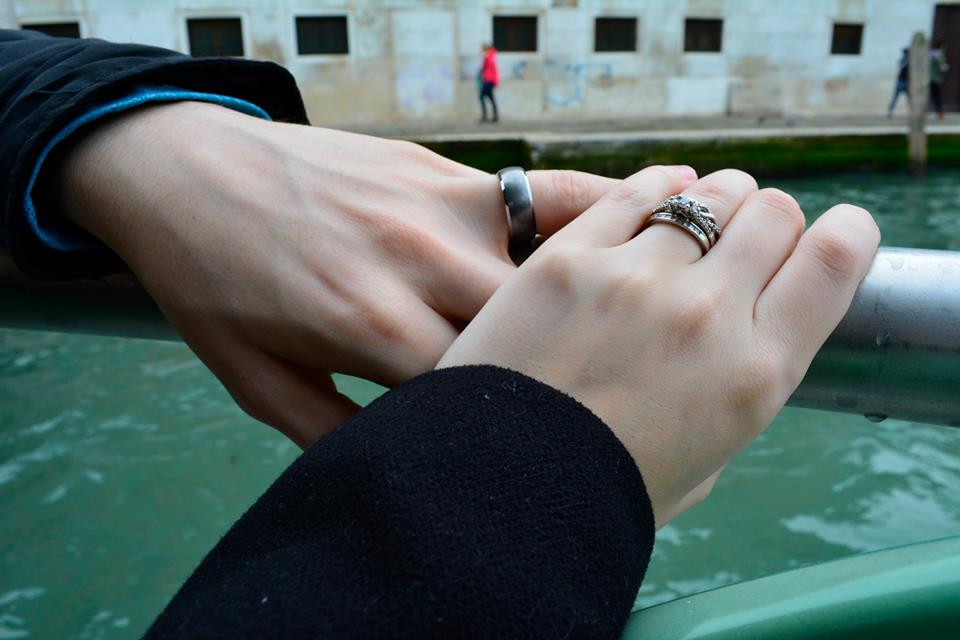
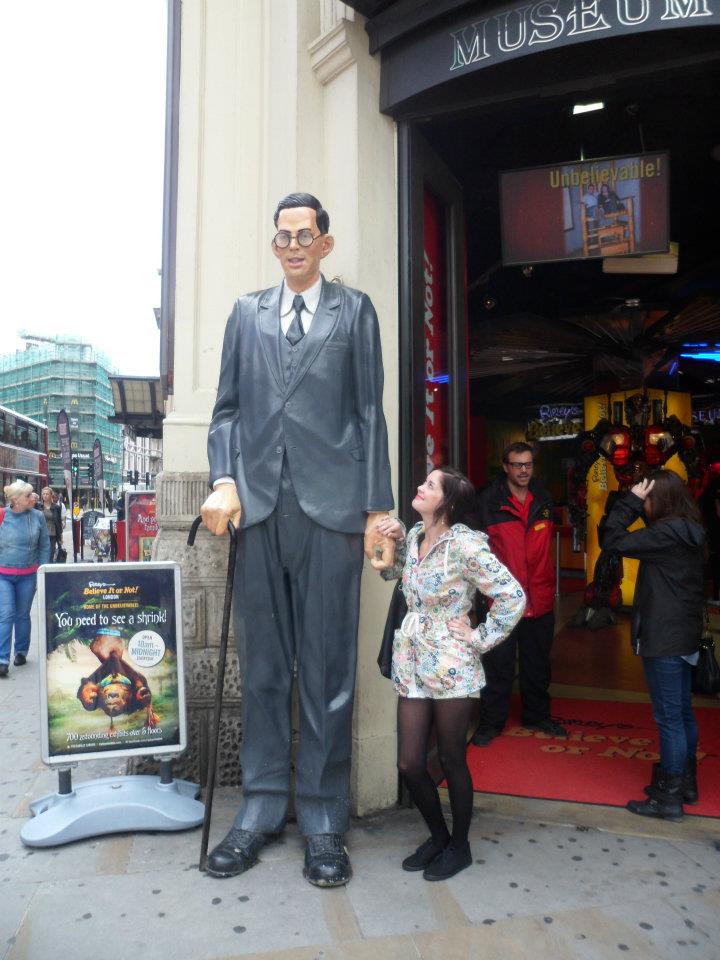

Anxious excitement dominated my first month or two, which makes sense because I was eager to close the gap and be here, but I had no idea what life would be like once I actually moved. That realisation started to seep into my brain toward the end of my second month, beginning of the third. My excitement quickly turned serious when I began looking for work to fill my free time and become a contributing member of society. I began this stage with apprehension, knowing full well how difficult it was finding the right job back in the states after graduation and worrying I’d find a similar struggle here. Now that it’s over with and I’ve found work, I feel pretty confident saying it was easier and quicker to find a job than it was a few years ago, but it certainly felt like a never-ending, soul-crushing experience.

It was about when I’d sent out around twenty job applications and the rejection emails started coming through that I felt myself slipping into a darker mind-set. I swiftly went from “I’m going to get a job!” to “I’m never going to get a job,” which, as you can imagine, wasn’t a fun thought train to ride. For the next few months, I was a wretch to be around (shout out to my amazing husband for putting up with this nonsense!), having slipped deeper and deeper into the rabbit hole with each passing day. I slept for ages and never felt rested when I finally pried myself out of bed, I hardly ate, I very rarely took the time to dress myself or make an effort on my appearance and I started questioning my every decision. But from the outside looking in, I made damn sure that any and all my connections back home and on social media thought I was cheery and enjoying my time off work because I didn’t want anyone to think I was pathetic or wasting away in London – even though that’s exactly how I felt.

I’ve battled depression before, but this was a new level I hadn’t experienced yet. I was so deep in it that it took me a very long time to even notice that I was, in fact, depressed. Coupled with the extreme anxiety and desperation to find work, it was a debilitating tug-of-war that left me utterly empty and defeated. Everything ached all the time despite having hardly moved all day every day, headaches plagued me regularly and I sought refuge under the covers more often than not. Part of the time, I wondered if I was genuinely sick and contemplated visiting my GP, but in hindsight, I now know better. Some days I was able to pull myself out of the fog to send out another job application or two, but eventually it became so much work just to think of positive things to say about myself in a cover letter that I just left it… for weeks at a time.

After a few months, I finally understood what was going on and reached out to my husband to help me not only find positivity, but to fully invest myself in finding a job. Thrilled that I was taking the initiative to make a change, he gave me a new perspective and ideas on how to improve my job search tactics. I’m forever grateful to him for his help, because not only did it give me the boost of encouragement I needed at the right time, it also brought responsive replies from the new jobs I was now applying for. These replies eventually led to interviews where I felt I could finally demonstrate, in person, what I could bring to the table.

An onslaught of rejection emails were replaced with interview opportunities and eventually having to choose between two jobs. What started out as a bleak search turned into a plentiful choice, and the sudden change in my outlook was enthusiastically welcomed. I finally felt like I had purpose again, had my footing balanced and could re-emerge into the world bright-eyed and bushy tailed.

These last six months have served as a harsh reminder that life is better handled with some outside help, and it’s okay to ask for words of comfort when they’ve been depleted from your own arsenal. I’m much happier now even compared to when I first arrived on UK soil. My relationship is stronger than ever, I’ve got a job I enjoy in a brand new industry and I’ve learned how to recognise negative thinking and come out the other side a better person. It wasn’t an easy journey and I don’t hope to repeat it any time in the near future, but I think it was necessary to teach me that I have value even when I don’t feel like I do. Starting your life over at a young age is an intoxicating idea, but it’s certainly not for the faint of heart. I’ve had to remind myself that most people would also struggle with such drastic changes all at once, and I’m not a weaker person because of it. I’m indebted to those who helped me realise my worth during a tough time, and encouraged me to find different ways to make London feel like home. I can confidently say that now, that’s exactly what it feels like. Even if it took me six months to get here. Better late than never, right?

Home is where you make it

What hurts

Pain: The physical feeling caused by disease, injury or something that hurts the body.

We have all experienced pain in some form or another in our lifetimes. If the world is kind, we hope that it is only a temporary and brief experience. And even if we don’t get a say in how long the pain lasts, at least we get to cling to the hope that it will eventually lapse so that we can then switch gears to healing instead of hurting. But what happens when the pain not only has no end date, but also has an imminent promise of getting worse? Then what?

I mentioned last year the medical issues that were overwhelming my husband and me (yep, we got married!). We didn’t have concrete answers in regards to his nerve condition back then, so we were still able to see a glimmer of hope for improvement. The possibility of pain relief was still at least obtainable in our hopeful minds because questions weren’t yet answered. Unfortunately and fortunately (it’s a mixed-bag of emotions, here), we now have that definitive diagnosis of Complex Regional Pain Syndrome. After yet another foot surgery in an attempt to improve his walking situation, James came out of it with seemingly more chronic, daily pain. So here’s what we’ve learned in the last few months that we didn’t know or weren’t told before:

1.) CRPS is not only incurable, but has a 90% chance of worsening and spreading to other parts of the body after time.
2.) There is no medicine on the market as of yet that successfully manages CRPS pain or guarantees any long-term relief. The medicines that doctors typically go for are prescribed on a strictly trial-and-error basis. Some possible treatments can also be super risky.
3.) Forcing yourself to push through the pain is the only way to try and mitigate or slow down the risks of the condition spreading (they think), but the minute you allow yourself to rest is when the pain can get its most excruciating.
4.) Doctors won’t let you just cut your foot off and call it a day if the idea of living your life in constant pain doesn’t appeal to you.
5.) The experts and specialists don’t really have good answers for you because they don’t understand it either.
6.) BUT James doesn’t NEED to use crutches or a foot cast anymore… if he can stand the pain.

So now what? My husband has an invisible disease that nobody fully understands and it has not only become the focal topic of our lives, but it also determines the majority of our actions and choices. We don’t realize how important and integral walking and standing are until the act of doing either incurs unbearable pain. Or participating in a conversation and suddenly being wracked with disorienting and distracting pain, unable to pay enough attention to really “be” where you are. I would never wish this condition on my worst enemy, yet I have to sit idly by watching the person I love the most living with it. That’s a type of pain I never expected I’d have to live with for myself either. For the rest of our lives.

I love my husband. I fully recognize that this awful situation is not something he brought on himself, and I have never and will never blame him for it. But it is certainly something I never could’ve prepared for, mentally or emotionally. I have moments of agonizing helplessness and guilt when I find that I have no offers of advice or suggestions to give James in order to alleviate the pain. I often find myself at a loss for words simply because I know nothing I say can stop him from hurting. That is a type of emotional pain I didn’t even know existed. There are so many different facets of pain, and I’m uncovering a whole slew of them lately. Whether we’re together or apart,  I’m constantly worried about his comfort level, wanting to protect him from any possible dangers that could increase his pain, but also trying to take care of myself as well. I morphed into caretaker mode because nobody wants to watch their loved ones suffer – we want to help. But I found that as I desperately tried to find ways to help, usually without success, I was letting the worry consume me so much that I stopped caring about my own well being. Even still, I struggle to find a balance between looking after my husband and looking after myself. I wonder, is this how first-time mothers feel as well – scared and unsure? Although, at least they can learn how to fix and/or improve things to encourage better quality of life for their children, right? Or they can ask professionals who can help too. I feel like this situation is so unique that there isn’t any one thing or person I can turn to for help, and it’s not something that sits well with me. Especially with the thought of the pain spreading. What happens if the pain becomes so intense down the road that he can no longer move, work, live a joyful life? How do I deal with that then? Then I remember that speculating what could happen later doesn’t help the now, so I try and drop it. But as with most things, that’s easier said than done.

I have gained a whole new respect and admiration for individuals with disabilities (seen or unseen). For those of you fighting off illnesses, caring for loved ones who are unable to care for themselves, living with pain – I salute you. You are far stronger people than I am, and I aspire to achieve the same strength. You don’t receive enough credit for the effort you put into creating and living a good life despite any real or imagined shortcomings you’ve been dealt. You face obstacles not with fear or defeat, but with determination. We are only given one life in this wicked world, so no matter what, we have to learn how to love it. Even if it hurts.

I’m learning as I go, and despite the agony we both feel sometimes, I’m so happy James and I have each other for support. And I will do whatever I can to help raise awareness and fund research projects so that debilitating, inhibiting, invisible medical conditions like CRPS can be eradicated. I can’t do everything.. but I can do something.

That’s the thing about pain. It demands to be felt.

Size stigmas

Image

Women obsess over size. Weight, height – what have you – it’s like we’ve been conditioned to demand this unobtainable idea of size perfection the split second we’re born. And while there appears to be this gung-ho feminist/girl power movement cropping up all over the world with cheers of acceptance to those who don’t “meet” society’s idea of “attractive size,” I’m sitting over here thinking.. well, wait a minute. This is all fine and dandy, but what about girls like me? Dove’s “Love Your Body” campaign sounds inspirational and empowering, but it seems hyper-focused on the idea that there is such a thing as too skinny, and if you fall under that category, there’s something wrong with you. Real women have curves, right? Actress Sophia Bush struck up a campaign declaring that “zero is not a size” a few years ago too. And while I sit here, staring at a pile of jeans with tags that read “0,” I’m feeling rather insulted. Women are encouraged to accept their curves and rejoice over them because being rail thin is unhealthy. While in some cases, I can fully stand behind this idea (thinness caused or brought on by eating disorders or self-inflicted harm is obviously not good), those of us healthy women who are naturally petite shouldn’t feel so scrutinized! Why are “plus sized” women getting high fives while petite women are getting concerned looks?

I have always been petite. My family jokes that I was the runt of the litter, but it’s quite honestly accurate. I stand 5’2″ and hover between 90 and 100 pounds. My entire life, I’ve always had people make jokes about my size, pick me up against my will just to see how light I was, analyze my meals, hold things up high so I couldn’t reach them.. childish things that they may have thought were funny, but 20 some years later, the jokes get old. I’d even argue that I am made fun of for my size more often than someone who may be overweight. Why? Because it’s less likely for someone to feel brave enough to pick on an adult because they are overweight than to pick on someone who’s tiny. It can’t be insulting if you’re not calling them fat, right? Wrong. And it’s not only peers who chime in. I avoid seeing doctors as often as possible partly because I know they’ll accuse me of having an eating disorder. I do not have a disorder, but when people point out my perceived deficiencies, I’ll admit that it’s hard not to dwell on them. I recently started a new job that requires lifting and traveling with fairly heavy camera equipment. It never fails that on any given day, someone, whether it be a coworker or stranger who sees me on the street, makes a comment about how it looks like I’m struggling and laughs. Usually, I’m not struggling in the slightest because I’ve learned how to adjust with my small body. I believe, for my size, that I’m strong. But if you compare me to an average woman my age, you’re setting me up to fail. I am not average, and on most days, I’m happy about that. But not always.

Certain things in life are harder to handle when you’re “abnormally” small. For instance, shopping instantly becomes a nightmare. Trying on clothes that overwhelm my small figure is a blow to my ego. There are certain articles of clothing that I’ve simply had to give up on because there’s no way I can ever wear something like that unless I get it custom made. Wearing heels draws attention to my very thin legs. Wearing short sleeves exposes my scarily thin arms. Midriff-bearing tops direct all eyes to my very profound ribcage. My every outfit decision is based around the question, “do I look like an adult?” because I am so often teased for looking much younger than I am and I want it to stop. Bathing suits are a topic I can’t even delve into. I’m paranoid when I go out drinking with friends because I worry that I’ll be accused of underage drinking even with two forms of ID. I avoid eating in front of other people as much as possible because I worry they are judging not only what I’m eating, but how much I wind up eating. This makes going out to eat with friends much more stressful than it should be. I can’t reach a lot of things that most average-sized women can reach. I’ve walked away from many things that I wanted simply because I couldn’t reach it on my own and I was too embarrassed to ask for help. And while many things are merely inconveniences, a fair portion of the problems associated with my size are the mental blows to my psyche thanks to the negative stigma attached to small size.

Recently, I’ve been trying to shop for a wedding dress. While most girls get over-the-moon excited for this process, I was honestly dreading it. Most wedding dress designers don’t make gowns that would comfortably fit my frame. It’s a fair estimate to say that the smallest available size tends to be a size 2. You slip that on my body, and I’ll be swimming in it! And while I understand the fact that every gown is altered to fit the bride, tailoring costs extra the more you need done. And I’d need a lot of work! But I told myself to ignore the fact that every dress I try on will be gigantic and to envision how the final product will look. Now, if you’ve never tried to do this, let me tell you one thing: it’s really freaking hard to do. Especially when the majority of the gown is smushed up and pulled back and completely distorted from its original silhouette. It’s not easy to convince yourself that you look beautiful when you feel like your body is corrupting the whole image.

So my point is this: although I’m all for empowering women, I think we need to focus more on individuality rather than targeting certain groups and trying to lift them up over others. Acceptance, above all else, should be the focus. Plus sized women shouldn’t be cheered on if it means stomping on thin girls in the process. We need to support one another to encourage mentally and physically healthy women. And we also need to learn to accept ourselves. I have good days and I also have days where I could use encouragement. I’ve learned to put the perks of being petite above the pitfalls. And overall, I wouldn’t change who I am or how I am, but it’d be nice to feel like my size doesn’t immediately stigmatize me in society. That would be a movement I can get behind.

Once you accept your “flaws,” no one can use them against you.

Wealth of travel

Image

Certainly, travel is more than the seeing of sites; it is a change that goes on, deep and permanent, in the ideas of living.

A gypsy is a nomadic individual, commonly described as free-spirited and unattached. Although you’re probably imagining Esmeralda from The Hunchback of Notre Dame, gypsies do still exist today, mostly populating parts of Europe. And although all people have basically adapted and changed to accept a new modern lifestyle, gypsies still remain true to their nomadic heritage. I have never met an individual that identifies as a gypsy, but I’ve met the other extreme: the homebody settler. These are the people who make a home and refuse to leave it or explore the rest of the world not because they’re unable financially or for other legitimate reasons, but because they simply don’t want to. Now, I’m a firm believer that traveling does a person good for many reasons. It broadens your horizons, you get to interact with people who may have different ideals, beliefs, cultures or lifestyles than what you’re used to, you can explore history firsthand and with your own eyes, you can physically separate yourself from the stress that awaits you at home — quite frankly, I can only think of seriously positive reasons to pack up and go elsewhere every once in a while. Perhaps I am entirely biased, being a self-proclaimed nomad in training, but how can you fully understand what is happening around the world if you’re only reading about it or hearing about it from others? There’s no better way to understand than to put yourself there!

There are plenty of lists out there about why you should travel, but there are a few key reasons I think are most important to highlight.

1. Traveling is a learning experience. The act of traveling outside of your comfort zone (metaphorically and literally) forces you to figure things out on your own. You can learn how to read a map, how public transportation works, how to manage your time between flights. You learn these things because you have to in that moment otherwise you might miss the next train! But you also get to learn in a broader way – learning how certain people live and how it differs, learning about the past, learning about world, regional, local issues, learning cultural differences and language. The world quickly becomes your classroom and -gasp!- you’re a willing, eager student now! When you travel away from home, you are opening your mind a little bit more each time and learning and changing all the time. Heck, you might find yourself jumping ship from ideas you once held firm simply because travel opened your mind to other opinions. Trust me, it happens!

2. Traveling is good for your health. How many times have you gone on vacation and never left the hotel room? Never? Exactly! When you go somewhere away from home, you’re much more likely to be active and constantly on the move. Sightseeing, hikes, walking around famous shopping centers for hours – all of these things keep you active, and when you’re excited about something, those good chemicals start flowing in your brain! We all know about the scary research about desk jobs and how harmful they can be to your health when you’re sitting for long periods of time, so use that as your excuse to pack your bags and get out for a while. Besides its positive effects on medical health, traveling can also do wonders for your mental health. Shred the stress, let down the barriers and accept the exciting act of adventuring. It’s liberating!

I expected my list of reasons to travel to be much longer than two reasons, but quite frankly, I think that’s plenty. We’re encouraged to travel a lot when we’re young, but I don’t think age matters. The only reason we’re told this is because when you’re young, you have less responsibilities and more free time. However, I don’t think it matters when you go so long as you do go. It’s never too late to learn and grow. There are no excuses that should permanently thwart your ability to travel. If you don’t have money, start saving. If you don’t have time, make time. If you don’t have a plan, get creative. If you’re not uncomfortable, you’re probably not growing. So don’t be afraid of having to bunk down in a hostel in Europe because those scary tales about hostels being gross, dingy and unsafe are all just that — tales! And even if you do wind up in a less than conventional situation, imagine how fun it’ll be to tell that story later on? We learn as we go, but if you’re standing still, you probably won’t learn as much. Just go. You’ll be glad you did.

I haven’t been everywhere, but it’s on my list.

Stave off stress

Keep calm & carry on

photo (11)

In my very limited observations, I’ve noticed that many 20-somethings appear to be overwhelmingly stressed more often than not. From personal experience, I can say that I’ve certainly had my fair share of anxiety and panic attacks, have broken out with stress pimples, found myself lying awake at night incapable of falling asleep and many times, I just exhaust myself with worries. If I’m doing these things and I’m aware of it, I’m sure there are many others in similar positions. And although there are times when it feels like stress is running my life, it’s important to understand that there are easy ways to relieve stress. Your twenties are massively transitional – permanently moving out of your parent’s house, landing a full-time job, paying bills and loans off, looking for a partner to settle down with – a whole lot changes very quickly. As we celebrate each birthday during our teens, we’re painfully aware of the changes that are looming ahead in our twenties, but no amount of mental preparation can truly prepare you for what’s in store. So that’s why I did some research involving stress in young adults. It may not be something I can change, but it’s something I can learn to manage much better.

Stress is defined in the dictionary as, “a state of mental or emotional strain or tension resulting from adverse or very demanding circumstances.” As a recent graduate, I can certainly relate to the feeling of facing demanding circumstances frequently. Not sure if you’re stressed? Check out some of the symptoms here. Chances are, if you’re nodding your head yes to many of these symptoms, the stress monster has you in its grip. But if you find yourself hyperventilating before an upcoming exam that you don’t feel prepared for, don’t even take the time to look up your symptoms. I can tell you right now, you’re totally stressed out and you need to find your center again!

As a veteran anxiety attack victim, I’ve learned ways to calm myself down quickly before I feel like I’ve completely lost control. Been there too? Then let’s toss out some plans of attack to keep the enemy at bay.

When I start feeling overwhelmed, one of the first things I do is step away from what I’m doing and make myself a cup of tea. Many teas are said to actually help calm you down, although I can’t say it’s foolproof. I’ll brew a cup of chamomile or peppermint tea, and while I sip, the only thing I allow my mind to think of is how the tea tastes. You’d be amazed at how a few minutes can keep your anxiety in check. Plus, staying hydrated is definitely helpful too. Now, I’m a big coffee drinker and I’d pick coffee over tea almost any day, but caffeine definitely does not help in moments of stress. Tea is your best bet. But if you don’t dig tea and still want the calming benefits of the scent of chamomile or something similar, pop out to the store and buy a scented candle or two and light those babies up! The smell can just as easily calm you if you’re making sure to stop and take a moment to focus on the smell of the candle and nothing else.

If tea doesn’t help on its own, I’ll flip on some soothing classical music. Personally, I prefer classical piano with Beethoven’s “Moonlight Sonata” (Piano Sonata No. 14 in C♯ minor) as my go-to favorite. Music has been said to help individuals deal with stress, pain and other related ailments in many research studies, so it’s a pretty solid option. If classical music isn’t your thing, turn on your favorite pop songs from the 2000s and sing along. That’ll help reduce your stress levels too!

Maybe a few minutes of distraction isn’t enough for you to calm down. If that’s the case, another trick of the trade is some old-fashioned exercising. I’m not a huge fan of any kind of exercise, but it gets those endorphins pumping and can change your mood real quick. While you’re singing along to that pop song, get up and move too! Or get flexible with yoga or pilates, lift weights, do push-ups or sit-ups, jog around the block or if all of this is way too intense for you, slip on your tennis shoes and just go for a brief walk. Removing yourself from the environment where you were feeling the most stressed does wonders.

A few other things that may help fight off stress and anxiety are breathing exercises, massages, participating in a specific hobby like crafting, playing a game, watching funny videos (laughter is the best medicine!), playing with or petting a dog, cooking, or even allowing yourself to have a good cry can be amazingly cathartic. What’s important is that you find a way to distract yourself from what’s bothering you, and you’ll have to find what works best for you on your own.

So no matter what you do, at least make sure you’re doing something to minimize the stress. If you just let it consume you, chronic stress and anxiety have the ability to seriously impact your health. So be proactive and don’t get too caught up in strife and worries. Help yourself when you notice that you’re faltering or ask for it if you’re unsure of what to do. And just as good ol’ Walt Disney once said, “Why worry? If you’ve done the very best you can, worrying won’t make it any better.”

Cheers to a happier, healthier you!