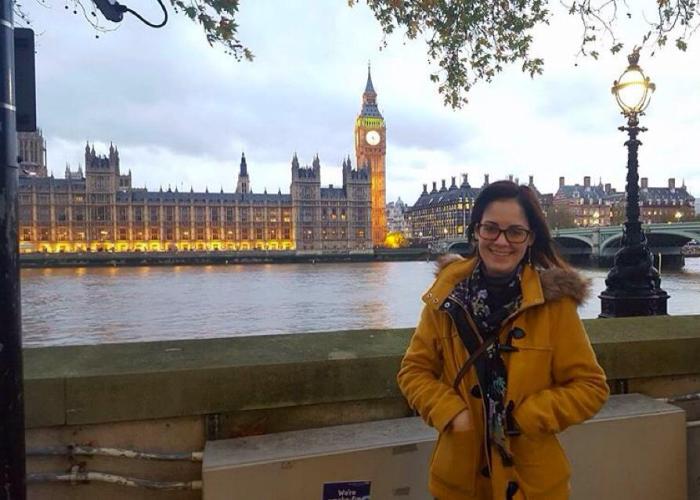
 It’s been six months since I’ve officially relocated to the UK, and to say it’s been a rollercoaster ride is a slight understatement. I anticipated an adjustment period, considering the fact that I was leaving behind everything familiar and opting for complete immersion into a new home, new environment and new people. But despite having lived in the UK for a few months in the summer of 2012, it was far more destabilising this time around. I think the fact that this move was permanent contributed to that emotion. But six months in, I think I’ve found my centre at last… and the ability to write as if I were a native Brit.
Anxious excitement dominated my first month or two, which makes sense because I was eager to close the gap and be here, but I had no idea what life would be like once I actually moved. That realisation started to seep into my brain toward the end of my second month, beginning of the third. My excitement quickly turned serious when I began looking for work to fill my free time and become a contributing member of society. I began this stage with apprehension, knowing full well how difficult it was finding the right job back in the states after graduation and worrying I’d find a similar struggle here. Now that it’s over with and I’ve found work, I feel pretty confident saying it was easier and quicker to find a job than it was a few years ago, but it certainly felt like a never-ending, soul-crushing experience.
It was about when I’d sent out around twenty job applications and the rejection emails started coming through that I felt myself slipping into a darker mind-set. I swiftly went from “I’m going to get a job!” to “I’m never going to get a job,” which, as you can imagine, wasn’t a fun thought train to ride. For the next few months, I was a wretch to be around (shout out to my amazing husband for putting up with this nonsense!), having slipped deeper and deeper into the rabbit hole with each passing day. I slept for ages and never felt rested when I finally pried myself out of bed, I hardly ate, I very rarely took the time to dress myself or make an effort on my appearance and I started questioning my every decision. But from the outside looking in, I made damn sure that any and all my connections back home and on social media thought I was cheery and enjoying my time off work because I didn’t want anyone to think I was pathetic or wasting away in London – even though that’s exactly how I felt.
I’ve battled depression before, but this was a new level I hadn’t experienced yet. I was so deep in it that it took me a very long time to even notice that I was, in fact, depressed. Coupled with the extreme anxiety and desperation to find work, it was a debilitating tug-of-war that left me utterly empty and defeated. Everything ached all the time despite having hardly moved all day every day, headaches plagued me regularly and I sought refuge under the covers more often than not. Part of the time, I wondered if I was genuinely sick and contemplated visiting my GP, but in hindsight, I now know better. Some days I was able to pull myself out of the fog to send out another job application or two, but eventually it became so much work just to think of positive things to say about myself in a cover letter that I just left it… for weeks at a time.
After a few months, I finally understood what was going on and reached out to my husband to help me not only find positivity, but to fully invest myself in finding a job. Thrilled that I was taking the initiative to make a change, he gave me a new perspective and ideas on how to improve my job search tactics. I’m forever grateful to him for his help, because not only did it give me the boost of encouragement I needed at the right time, it also brought responsive replies from the new jobs I was now applying for. These replies eventually led to interviews where I felt I could finally demonstrate, in person, what I could bring to the table.
An onslaught of rejection emails were replaced with interview opportunities and eventually having to choose between two jobs. What started out as a bleak search turned into a plentiful choice, and the sudden change in my outlook was enthusiastically welcomed. I finally felt like I had purpose again, had my footing balanced and could re-emerge into the world bright-eyed and bushy tailed.
These last six months have served as a harsh reminder that life is better handled with some outside help, and it’s okay to ask for words of comfort when they’ve been depleted from your own arsenal. I’m much happier now even compared to when I first arrived on UK soil. My relationship is stronger than ever, I’ve got a job I enjoy in a brand new industry and I’ve learned how to recognise negative thinking and come out the other side a better person. It wasn’t an easy journey and I don’t hope to repeat it any time in the near future, but I think it was necessary to teach me that I have value even when I don’t feel like I do. Starting your life over at a young age is an intoxicating idea, but it’s certainly not for the faint of heart. I’ve had to remind myself that most people would also struggle with such drastic changes all at once, and I’m not a weaker person because of it. I’m indebted to those who helped me realise my worth during a tough time, and encouraged me to find different ways to make London feel like home. I can confidently say that now, that’s exactly what it feels like. Even if it took me six months to get here. Better late than never, right?
Home is where you make it

 As I sip my coffee...