If anyone asks, I’m fine, thanks.

0d6cebec-d4aa-4ef3-98f2-abe025bb3792

I tried to write this blog post three months ago, but it wound up being 820 incredibly self-deprecating words, and I was stunned that all of that hatred was trapped within me and I wasn’t even consciously aware. So I never published that blog, and took the time to reflect and determine what I needed to do to fix myself instead.

Spoiler alert: I didn’t fix myself.

When I originally wrote this post, there wasn’t anything major going on. Life was ‘normal’ (read: my kind of ‘normal’), I was just grappling with a severe bout of unexplained anxiety and depression. Not an uncommon occurrence for me, but it had been going on for many, many months and I’d never had to deal with that kind of unrelenting longevity before. So I was scared and concerned and feeling very helpless. Hence, the original, unpublished post.

Since then, though, things have changed quite a lot. Despite not having respite in the depression and anxiety double whammy, life decided it was time to dump on me again anyway. Sorry for the melodrama, but, that’s precisely how I felt.

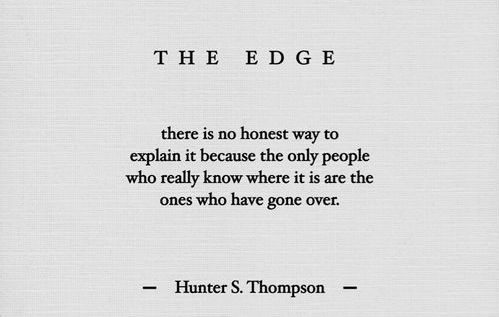
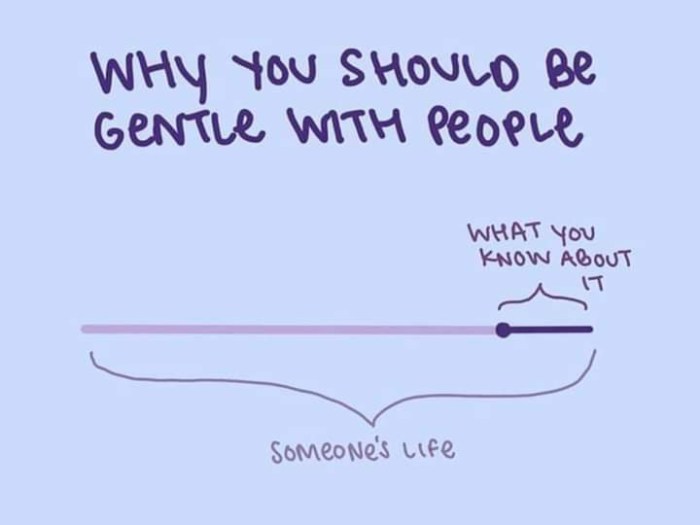
I keep seeing this one image floating around social media, and boy do I feel it. Especially lately.
2hSAbeNWtgWtkgNub8aSUcBLNfQEtpspYF2rU7vyRZ4

My life is… for lack of a better word: complicated. My days are heavily influenced by how my husband’s day is. I am not a ‘normal’ 29-year-old, and my daily stresses are wildly out of line than others in my circle. I try my best not to ask for sympathy or compassion because I want to feel as normal as humanly possible, but sometimes I feel like screaming ‘why the fuck are you treating me like this when you know I’ve got all of this on my plate right now?!’. Be kind. Be gentle. So many people know I’ve got shit to deal with because they have a general idea about my life, but they don’t really know on a cellular level what it’s like minute-by-minute. I don’t expect anyone to know or relate, but – dammit – I do expect compassion and I’m thinking that maybe I don’t have to feel bad for demanding it. I don’t have it easy. My life isn’t complete shit, but I do feel confident in saying I haven’t been dealt fair cards in life. Life isn’t fair, sure, but I’m allowed to resent it sometimes. This shit is hard, and I’m struggling. I’m human.

My husband’s nerve condition is variable. In the last year, his pain levels have seemed to increase. He went through a really dark period where new symptoms were coming up, we spent time seeing private neurologists, tinkered with his spinal cord stimulator settings, zipped through a blur of specialists and opinions and spent many, many evenings just crying into each other’s arms. It was horrific. Then he decided one day he was just going to be more positive and see how his mental attitude impacted his physical symptoms. And the change was inspiring and uplifting and I was awestruck by his strength. But I… was still down in the trenches and couldn’t pull myself out.

The thing is, because each day is so random in terms of how his condition is going to affect him, it means even if I wake up in a fantastic mood myself, that could all change in seconds if he suddenly says he’s suffering. I switch out of ‘me me me’ mode, and every fibre of my being shifts into ‘how can I make his day easier, better, more bearable?’ And it works both ways: if I wake up in a terribly depressed mood, I’ll still react the same. I haven’t quite figured out how not to be led by his pain condition. Nobody wants to sit back and watch someone suffer, right? I have to help.

I’ve probably been through all the stages of grief a few times throughout the last 6 or 7 years. I’m back at the angry stage now. No, not angry. I’m pissed off. I’m exhausted. I’m sick of allowing myself to hope for the best and then having the rug violently ripped out from under me. The guilt is debilitating. I feel overwhelmed during the best of times. How can I make that make sense to someone who doesn’t know what this feels like?

How about:

Imagine being a relatively carefree kid swimming in a pool in the dead of summer. Life is great. The water is the perfect temperature, the sun is shining, you’re looking forward to the rest the day has to offer: ice cream, cartoons, the works! When suddenly, your brother/sister/cousin/friend swims up and forces your head underwater. You flail, inhale water in sheer panic, thrashing, pushing them off your head so you can come up for air, thinking ‘this is it, I’m dying.’ You finally come up for air, chlorine stinging your eyes, throat, nose. Look around and see that nobody by the pool saw you nearly drown, and your brother/sister/cousin/friend is back on the other side of the pool just casually swimming and having fun as if nothing happened at all. And you’re just there, clinging to the side of the pool coughing, stunned. Ripped from the peacefulness you had been feeling mere seconds before. Alone. You can’t get that peace back.

That’s me. That’s how I feel more regularly than I’m proud to admit.

A week ago, I was revelling in the pride I felt toward my husband who, despite the pain, was back on his feet running once a week in preparation for a charity 5k I encouraged him to do. I foolishly believed we finally grabbed life by the horns and took our power back. Even though I was personally struggling, he was thriving and that filled me with the most dangerous hope.

I should have known better.

A few days ago, we were back in the emergency room getting x-rays because he feared he broke his foot… again. The pain was the worst pain he’s ever felt. EVER. You bet your ass I felt that sucker punch to the gut. Saw the universe wagging its finger at me. How dare I think things could improve? No, how dare I think things could plateau and just not get worse. I am a foolish so-and-so, aren’t I?

And so here we are now. He’s back in a temporary cast. He’s back on crutches. I’m back to being a full-time carer/cleaner/chef/worrier. They aren’t sure if it’s broken. They aren’t sure if it’s neurological. Nobody knows anything and we’re back on the hellish rollercoaster I’ve become way too used to. We’re back to why why why.

I guess this post turned out to be pretty self-deprecating anyway… but the point I’m trying to make in this rambling, emotional mess of text is that small acts of kindness make an immeasurable difference for some people. I know I’m not alone emotionally. I know that when I put out an encouraging quote on social media, it will resonate with someone other than me. I know we’re all connected. I know the power of kindness.

And I just want you to know it too. And not just know it. Use it.

You don’t know what we’re all dealing with behind closed doors. You don’t know how hard it is to choose to live sometimes. To get out of bed. To put on a smile. Some days I can barely put one foot in front of the other. No pun intended…

Step outside yourselves sometimes. I think the world would be a much more compassionate place if we did more often.

Thanks for coming to my TED talk. I’m going to go drink copiously now.

PS: Fuck you, universe. Just wait and see how strong I am when I come out of this one… you’ll see. 
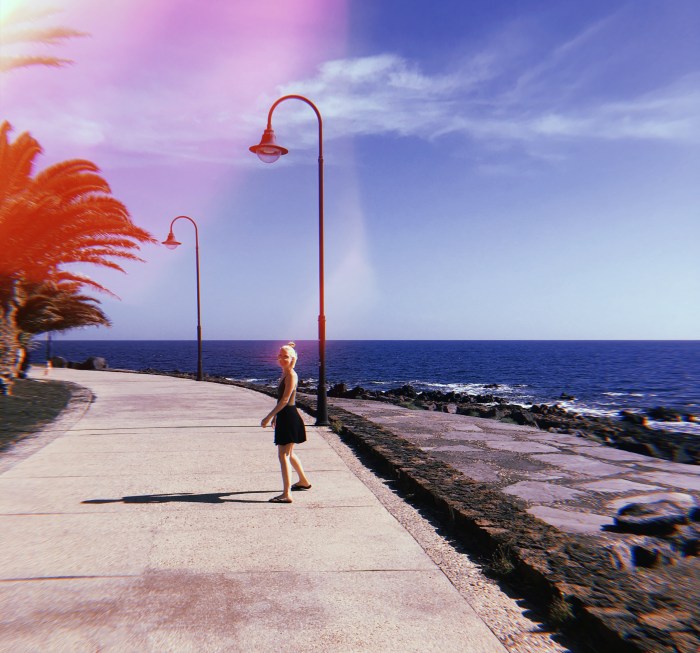
We all march on…

img_1876.jpg

I’m just going to slide into this blog post acting as if it’s only been a blip in time since I’ve last posted. It’s okay to start this one out on a lie, yeah? Great, glad we’re in agreement there. Moving swiftly along…

Hi buds! Can you believe it’s 2019 already? I can’t! OK, great. Chit chat – done!

Life sucks. Pardon the melodrama here, but honestly it’s become such a drag lately I genuinely feel like all I ever do is whine and complain and I hate it. I’ve wanted to write about it for so long, but I felt like if I did, I’m just painting myself as this world-class complainer who can never see the good side in life. I don’t want to be that person in the slightest, so instead, I just shut up. But that doesn’t help me emotionally, and it certainly doesn’t help anyone else who cares about me and wants to help. So despite still having reservations about writing this post, here I am. Doing it anyway! *insert awkward grimacing face here*

The last you heard from me, I was talking about my husband’s vitamin deficiency. Plot twist! Turns out, that was never the problem. Also turns out, nobody knows what is the problem. Sound familiar? We’ve done this song and dance so many times, it’s almost weirdly expected now. We’ve been in and out of the hospital the last six months – the emergency department a few times – test after test, waiting for someone to find a lead and bring us closer to an answer to the problem. I’ve been having flashbacks to the time we had to do all this before his CRPS diagnosis, and it is honestly heart-wrenching (and unbearable) remembering it took years of suffering before a doctor diagnosed him. Can I handle that again? Can he? And even now, not all doctors agree that he does, in fact, have CRPS. Every doctor seems to have a differing opinion, but I guess that’s just the nature of a syndrome, eh? In any case, this was never a place I expected us to be back in… ever, let alone this soon after having just rode this crazy train to CRPS land. I want off the damn train.

Every day at work, someone asks me how I’m doing. It’s a natural, casual question, not intended to be loaded in any way. For the last six months, my answer has literally been the same no matter who asks: I’m tired. I keep joking that exhaustion is now just a part of my overall personality, but in my head I do kind of feel like it has overcome me as a person and I’m incapable of being or acting any other way. It’s exhausting being this exhausted! I find myself digging back through my photo archives, reminiscing about years before, wishing I hadn’t taken such a carefree life for granted now that I’ve learned how overwhelming it’d all become. Then the guilt strikes, hard, in waves, and I’m chastising myself for being so negative. My thought patterns are wildly unpredictable, and I can’t even keep up with myself most days. So, I keep it simple when people ask. I’m just tired, and leave it at that.

I’ve mentioned before that I often approach a new year by reflecting on the one that’s just gone, to shed myself of those feelings to begin anew each year. Most of 2018 wasn’t all too bad. Health-wise, my husband wasn’t great the majority of the year, but it had become our new normal and we were just living with it. I felt lonely and isolated a lot, but lacked the motivation to do anything about it. But toward the end of the year, the feelings of pride I had for handling the difficult life the universe crafted for me with grace were quickly replaced with intense fear, uncertainty and crippling anxiety. As his health degraded and new symptoms were emerging, we were absolutely gripped by what was happening. I more or less blacked out from September onward, unable to think of much else apart from his health and what I could or should do to help fix it. Every moment of my time was spent worrying about him, whether he was around me or not. Not only did the new symptoms present more problems going about our ‘normal’ lives, but they seemingly made previous, regular symptoms worse.

But when Christmas finally rolled around, he was starting to feel a little better, and since medical tests hadn’t found anything still, we thought maybe we were in the clear. A fluke, surely. He got back to feeling more positive, laced up his running shoes and stared his pain condition directly in its non-existent face; running each weekend brought him pain, but also joy. The thing that he loved most before the nerve condition turned up uninvited. He was doing it again (!!), slowly and very carefully, but I could see his pure joy and god, how fulfilling that is to witness. Short lived, of course. Isn’t it always?

A few months later, the symptoms were back: extreme dizziness, blurry and/or double vision, intensified pain, localised unintentional muscle contractions, insomnia. A change in diet had improved his gastro symptoms, but nothing else. Blood tests still revealed no abnormalities. I think I took it hardest at first. I felt foolish and naive – how dare I think the issue resolved itself overnight? Haven’t I learned anything in this journey so far? How could I let him down by not being the pragmatic one? I was livid. At myself, at this mystery illness, at the universe. Why couldn’t I help him? It all feels so unfair and I can’t understand why we don’t deserve a break. It’s hard. Every day I’m fighting my own emotions, it’s no wonder I’m this exhausted.

My resolution this year was to be more sociable and make more friends. One thing that makes dealing with my life so difficult lately is that I genuinely do not have friends to help me escape – my mind, the situation, my life (sometimes). Especially in my new country. I don’t mean that to be cruel or dramatic or insensitive to the people who are in my life, but to be completely honest, I do not have anyone who regularly checks in on me without me having to prompt it first. Maybe this is my fault. I can be very closed off and I’ve often backed out of plans with others (because, this life), so I can totally see how I’ve made myself unapproachable in general. Nevertheless, it is hard seeing my husband’s phone light up with messages from friends and colleagues simply checking in, asking if he wants to grab a drink, shoot the breeze – all because they want to. He’s got friends fairly regularly asking him to do things and he’s the one with the disability, but I’ve often been sat at home alone waiting for him to return (and worrying if he’s okay). Don’t get me wrong, I’m thrilled my husband has people in his life like this. It relieves some of the burden and guilt I feel when I think I’m not being or doing enough for him. But still, I’m jealous. I wish I had people who wanted to take my mind off the things troubling me most! And boy, is it hard to make friends as an adult. In any case, I decided I didn’t like feeling so lonely and pathetic, so that’s why I endeavoured to put myself out there more often – social anxiety be damned!

It’s slow going, I’ll admit. I’m still resentful that I’ve seemingly been unable to pick people to stay in my life of their own volition. I can’t help but feel like there must be something wrong with me for people to forget about me so easily or treat me unkindly. I still struggle to shake this ‘woe is me’ feeling I have so often. But! I’ve started to make new friends. People who have so far been kind enough to reach out on their own accord and invite me to do things, ask me how things are, assure me they’re there to talk or not talk – whatever I want or need at any time. I am apprehensive, at best. I want to trust that opening up to new people will bring in new friendships I crave, but I’m also afraid I’ll lose them just as quickly. My life is so unique to the average 20-something, and I’m hyper aware that none of these people may understand the life of a caregiver. Because that’s what I am, really. But I am still trying and being more social and slowly opening up to new people. It is likely I’ll get hurt. I know this – such is life. But if there’s even a small chance that one of these wonderful new people in my life will stick around, then it makes it all worth it. We need people. And I need people to help remind me that I’m still young and have a whole, exciting life ahead of me. To remind me that I am more than this situation. That my personality isn’t ‘tired’. That I’m someone who needs care and attention too, sometimes. I very often forget this down in the muck that is this medical nightmare. So to those of you reading this who’ve been so kind and understanding toward me – even without knowing my whole story yet – I thank you. You have no idea how huge of an impact you’ve already had on my life, and moreover, I hope you stay.

This isn’t an easy life. I’ve never foolishly believed it would be, but I never could’ve guessed I would experience such trauma in such a short span of time. Word on the street is that I’m strong and resilient, but I almost never feel this way. I’m proud of myself for sticking my neck out when I’ve been in need, though. This is something I’ve never been known to do or particularly good at, but I’m finding life a little easier to handle knowing I’ve got a bit of extra help on the outside. Even if that help simply comes in the form of a smiling face willing to take me away from my own thoughts for a bit. Every little bit helps.

So I end this post with one request: always be kind. And when you’re feeling least like wanting to be kind, be even kinder. You never know who is so desperately relying on your kindness just to get through the day.

Go as long as you can, and then take another step.

Keep rolling under the stars

DCIM100GOPROGOPR0065.JPG

Hi buds! This sure has become a pattern for me, huh? Dripping life updates at a glacial pace. I always apologise or throw up an excuse for why it’s taken me so long to post something new, but really I’m not all that sorry and I don’t have an ‘excuse’. I post when I feel ready to a) share and b) delve into the emotional complexities of the situations I’ve been going through. And at the end of the day, this blog is for me, mostly, and you just get the pleasure of coming along for the ride. So I say: you’re welcome. And also thanks for taking the journey with me. Coming to a cinema near you! Not really, but wouldn’t it sell!?

Truth be told, I’ve been plodding along rather contentedly the last few months. But today is World Mental Health Day, and I’ve been inspired by my colleagues who’ve taken time out of their days to share personal stories of struggle, with tips on how they’ve overcome them. I’ve been exceptionally reserved and introverted at work, keeping all personal details about my life to myself for various reasons. Mainly, I found it incredibly difficult dealing with the day-to-day once my colleagues at my previous job knew about the struggles I was facing. Though they all meant well and logically I was fully aware of this (even in the moment), it became far too painful enduring very personal questions, often uninvited. Once I opened up, it’s like I couldn’t keep anything to myself anymore. My story and my struggle were no longer mine alone, and everyone always wanted to know what was happening. When I left and began my new job, I vowed not to let this happen again, and reasoned the best way to avoid personal discomfort was to shut up and keep to myself. I think I’ve done quite well, though I’m not sure it’s really been as beneficial as I thought. I work with amazing people (hi colleagues!), and I do feel guilty quite often for not letting any of them in.

I genuinely believe talking about things out loud helps make even the scariest of scenarios seem a little bit less daunting. But I’ll tell ya from experience – it sure isn’t easy to start. A constant ripping-off-the-bandage feeling, most often accompanied by unwanted tears. We’re always embarrassed by our tears… why is that?

Anyway. Life. What’s happening? How am I? Well, as I said, I’ve been relatively fine considering most things. I want to attribute this to growth: learning how to better cope, how to respond to my own reactions, talking to people when I need guidance. I realise that I’ve not actually been better, but the improvement in my response and recognition hasn’t gone unnoticed. For example, just the other night I had a panic attack. These are not uncommon for me, and they’re really horrific to experience. I liken it to feeling as if you’re drowning, in quicksand, being fully lucid yet paralysed, in -100 degree chill. It’s awful. But this time, I felt the panic attack coming on, was able to tell my husband just before and he helped me get through it; talking to me, insisting I try drinking water, rubbing my back. Within minutes, I had regained control and was out of the panic attack. It’s the quickest I’ve ever done it, and to me that feels like progress. I’m still the same person, but maybe a better version of myself. It’s taken awhile to get here, though, and a whole lotta courage.

And it’s never really done.

Things have been especially tough for, gosh, an entire year now. My husband’s seemingly ever-evolving medical issues have more or less called the shots on the daily. However he feels is how the day goes. On bad pain days, which are most days now, all responsibilities fall on me. I know he absolutely does not mean for it to burden me and I know it kills him to ask me to do something like get him a glass of water because he simply can’t bear to stand up, and I hate he subsequently experiences two kinds of pain from these situations, but it has been hard for me. I’ve had to literally learn how to cook edible meals or force us both to starve on days he can’t cook. I’ve had to run across the city at the last minute because he needed me for emotional support during a flare up. I had to paint almost the entire flat by myself because he couldn’t muster more than near 10 minutes on his feet. I’ve had to abandon family events to get him home and back in a comfortable space. I’ve become a human WebMD. I’ve been forced to become physically stronger so I’m able to push a man twice my size in a wheelchair. If I’m ill, but he needs me, he comes first without hesitation. I’ve had to watch the love of my life continually suffer, unable to take away his pain. Still. I’m honestly still so exhausted every minute of my life, but I do all of this and more because I want to. Because that’s what love is about: being partners, and helping each other when needed. I do not resent him or blame him for any of this, and he knows that, but he also knows it weighs on me. We do what we can for each other, when we can.

Recently, we’ve learned he’s vitamin deficient, which has caused severe bouts of dizziness and too-many-to-count near-collapses. This deficiency has appeared to cause even more problems with his nerve condition, though doctors haven’t medically linked the two yet. We’ve become so astute to his symptoms, we can’t help but notice the parallels of pain flares and dizzy spells. We wonder how long he’s been so deficient? Was he always? Is this something we missed that could’ve prevented further damage had we realised sooner? Is this why the spinal cord stimulator hasn’t been helping? It’s impossible not to wonder these things, but completely fruitless at the same time. We know this. Yet we still wonder. It keeps me up at night now, despite already having issues with insomnia.

Dealing with this has never gotten any easier. I’ve just gotten better at it. I’ve stopped allowing myself to feel like I’m missing out on something by staying home with him because I want to stay home with him. I don’t get upset when he has to tap out of an activity quickly and asks me to step in because I expect this now. Well, I’ll be honest, some days I do still get upset because it gets hard ya know? But I’m so much better now.  We didn’t choose this life. We didn’t ask for it. We don’t want it. But it’s the life we have. We’re doing our best to make it work for us.

I can say today, with the utmost pride, that my husband has actually been an inspiration to me, despite what he may think sometimes. One day not too long ago, he announced to me that he was done feeling sorry for himself and letting his nerve condition determine his life. And that was it. Though it very obviously still does make most of our decisions for us, he no longer gives CRPS power over him. It’s amazing. He’s gotten so much better at acknowledging the pain, adjusting his actions, and getting on with things. He still wants to go for walks with me even though I know it causes him a great deal of pain. He doesn’t want to miss out on things he genuinely wants to do, and though it took us more than 5 years to get to where we are now mentally and emotionally, I am constantly in awe we’re managing it. He’s excelling at work and still makes it into the office every single day, even though he has to get a cab to and from. He’ll text me in the middle of the work day saying he’s in so much pain he wants to throw up, then after a quick pep talk gets right back to work and never gives up. If you want to know strength, you should meet my husband. He doesn’t make it look easy, but he makes it look achievable in impossible situations. I admire him more than he realises. I aspire to be this strong.

My biggest struggle of late is not being as honest as I can be about my issues with people who care about me. I don’t let anyone in because I find it hard to make them understand what I’m going through. They don’t understand how severe it is. They don’t see it. And as a result, I get angry and incredulous and stubbornly decide I’m done sharing with everybody because they just don’t get it so what’s the point? And when anyone seriously asks me about my husband and how he’s doing, I get emotional every single time. I can’t help it, and I hate it so much that that also prevents me from sharing. But the catharsis can help. I endeavour to try to be more open for my own sake. It won’t happen over night, but if I can claw my way out of a panic attack, then there’s hope for me yet.

There’s hope for all of us, really. We’ve just gotta believe it ourselves.

When you recognise that you will thrive not in spite of your losses and sorrows, but because of them, that you would not have chosen the things that happened in your life, but you are grateful for them, that you will hold the empty bowls eternally in your hands, but you also have the capacity to fill them? The word for that is healing.

Living well

604bd63c-4c46-4b5b-a1b5-d668cf089b04

Hello world! Did ya miss me? I’ve been noticeably silent for the last few months for a myriad of reasons, but I finally feel strong enough to give a little insight into what’s been going on.

I’ve been planning to write this entry for weeks now, but I admittedly haven’t been ready to face my own feelings. It’s taken a lot of introspection, some research and ultimately a self-help book about ‘living well’ with chronic pain to give me the assurance that it’s okay to put this out into the world. I hope my vulnerability helps someone else, just as other people’s have helped me.

I’ve changed a lot over the course of a few years, and I’ve noticed how much I’ve changed just in these last few months, too. These changes have been mental, emotional and in some cases physical.

I’ve struggled with anxiety all my life, but the last six months alone have magnified my anxiety and stress levels so much that my body has reacted in less than pleasing ways. When dealing with stressful situations in life, it can make it harder to handle when physical manifestations of your stress also prey on your insecurities. Due to the nature of my husband’s degenerative condition, it’s forced us into a more sedentary lifestyle. I can see how my own muscles are deteriorating, how I’m becoming rounder around my waistline, how easy I am to tire. But depression keeps me inactive and I feel trapped in a body I’m not happy with. My skin has been my biggest battle, though. I’ve always tried to look after my skin and I’ve done well keeping it clear and healthy. Until now. My skin has been no match for these raging stress hormones, and each day is a desperate firefighting attempt to mask the acne forcing its way to the surface all over my body. I hate it. Most recently, I’ve apparently been so stressed that I’ve earned unsightly hives and rashes cropping up in places I can’t easily hide. I look in the mirror and see that my body is not happy with the trauma I’ve put it through, yet I feel helpless and unable to make it pretty again. I’ve dealt with scary bouts of vertigo, unrelenting headaches and body aches that obviously are not the result of any physical activity. I am tired. Each day is an exhausting fight to find a pinch of positivity and motivation to just keep going. Some days I can’t. Some days I’m a miserable oaf no one can stand to be around. But that’s okay. And I’m learning that it’s okay not to be okay sometimes.

What’s triggered all this, you ask? Well, as I’ve mentioned before, my husband’s condition has gotten worse. I don’t think I’m strong enough yet to provide specific details into how this has come to pass in such a short span of time, but it’s been rough. We tried some experimental procedures that either didn’t work or made things worse, and the journey ended with an explosive argument with the lead pain clinic specialist kicking us out of our last consultation. It’s hard stuff when an expert looks you square in the face and says they’ve got no other ideas to try. Emotions run high on both ends, as you can imagine. It was a hard day. Harder still to then have to pass that info on to concerned family and friends, who, of no fault of their own, just genuinely don’t and can’t understand on the same level. This is life with chronic pain.

The way this journey has gone, though, has given me a different outlook and approach to a lot of things in my life. I have less patience for things and people who don’t bring me joy. I simply don’t have the time or energy to put effort into things that aren’t or won’t be good for me. There are just more important things to deal with, I’ve realised, and my own wellbeing has to come first.

Some of the changes have been subtle, while others have been very obvious. I’ve filtered out friends I felt were putting unnecessary negativity into my life. Friendship should be fulfilling and positive, and the minute I feel strain I do something about it. Sometimes it’s been as simple as unfollowing people on social media because what they were posting caused me distress of some form, in other cases I’ve just stopped talking to people. I recognise that no friendship is perfect, but when the cons outweigh the pros, I know it’s time to make a change. I hope these people understand that at this point in my life, I have to put myself first and look after my mental health. I’m open to letting people back in, but that doesn’t always happen. I have to do what’s best for me.

Despite my depression, I do my best to make it out and about. The situations lately have impacted and escalated my social anxiety because I know people will ask about my husband, so a lot of times I’ve had to force myself to leave the house insisting that it’ll be good for me. Despite my fear, I still get out and it is usually good for me. I’m actually very proud of myself as this has been one of the battles I’ve struggled with the most. I do not want to become a recluse.

I’ve also been doing my best to address my mental and emotional wellbeing. I’ve tried meditating, I’ve downloaded apps, I’ve researched and read my way into understanding. I’m giving myself a chance to do better and feel better, and I think that’s huge. The thing I’m most proud of is that I’ve finally learned how to walk away when something is causing me too much pain. I know my limits now better than before, and that has made all the difference.

I appreciate the help and support I’ve gotten whilst dealing with this seemingly unbearable situation in life. More than anything, I’m grateful that when I’ve said ‘I’m not ready to talk about it’, my family and friends have respected that and given me the time I’ve needed to process and understand my own feelings in my own time. I imagine it’s hard being on the outside and not knowing how to help, so I’ve got a few pointers for those who want to be involved in any capacity. Above all, please know that if you’re in my life, I am so thankful for you. For the light that you bring when I’ve felt shrouded in darkness, for the fun and humour, for the unwavering support and kind words, for letting me be angry at the world and complaining to no end. Thank you. You’re one of the reasons I get out of bed every morning. Know this.

Here are some helpful pointers and advice on interacting with those living with chronic pain, specific to my situation.

  1. Don’t let the first question out of your mouth be ‘How’s your husband?’ Better yet, don’t let that be a question at all. No matter how well-intentioned, I don’t like feeling forced into talking about a situation that is physically and mentally painful for me. It’s also very, very personal. Try asking how I’m doing or what I’ve been up to, and talk to me as if I’m my own person with my own life separate to the health situation that is already always hovering over my head. I’ll appreciate talking about things that make me happy and distract me.
  2. Speaking of distractions, get me out of the house! If you really want to help, I think this is one thing that I am not so very good at. I am constantly worrying about my husband, and although I feel extreme guilt any time I’m out enjoying myself, it’s good for me. Even if it’s as simple as coming over and drinking cheap wine for a few hours, every second spent not fretting or overanalysing is wonderful.
  3. Don’t say open-ended comments intended to help but put the onus of doing something about it on me. For example, don’t say ‘let me know if there’s anything I can do to help’. That puts all the responsibility on me – the person who is barely keeping her head above water. Please don’t do that to me because I won’t ask for help. Be more specific or take initiative.
  4. Please, please, please don’t offer unsolicited advice about my husband’s condition. I’ve read everything there is to read, I’ve spoken to so many medical professionals I’ve lost count – I promise that whatever you suggest we’ve either tried already or it’s not something that could help. He has a rare, complex condition that the best brains in the biz still only fractionally understand. I appreciate you wanting to offer advice that will change our lives, but trust me when I say you can’t do that for us.
  5. Following that, this is not only medically wrong to say, but it’s also hurtful: We don’t want to hear ‘hope he gets better’ or any variation of the sentiment. He will not get better. There is no cure. There is no reversal. There is no actual treatment to make it better. There are only ways to manage the situation in ways you think you can live with. Hope is important, but naivety will get us nowhere.
  6. Also, please refrain from making comparisons. I respect that you may be trying to be empathetic by comparing that time you sprained your ankle to my husband’s debilitating chronic pain, but I’m sorry… it’s completely different and does the opposite of comforting us. It makes us angry. It makes us feel like you are taking a horrific situation and trying to make it about yourself. And especially: you’re talking about something that gets better when comparatively our situation will not. No matter how well you intended the comment, it feels cruel to us. Your sprained ankle will heal and the pain will eventually subside. Your situation is temporary whereas this is our life. Please do not belittle us or try to minimise the situation. And for crying out loud, do not ever say ‘it could be worse’ and give an example of something you deem worse. That is not only subjective, but absolutely unhelpful. Knowing someone has it ‘worse’ isn’t going to fix anything, will it? Let this situation just be and let us deal with it on its own level, irrespective of anything else.
  7. Tell me about yourself. I want to hear about your life. I want to hear about your happiness and successes and triumphs and funny moments. Don’t hold back because you worry I’ll feel left out or jealous. I care about you and my struggles should not overshadow the good things in your life. I’m capable of shelving my own feelings to support yours! That’s what friends are for. And oh, my gosh. Comic relief is the best medicine. Please don’t withhold that from me! I love laughing and I’d love to do it more often.
  8. Be kind and considerate. It seems so simple, but I feel it necessary to say. When someone is dealing with an ongoing traumatic life event, emotions are heightened. Something as simple as forgetting to text back may seem trivial to you, but feels incredibly isolating and intentional on my end.  There’s nothing worse than feeling forgettable during a time you already feel lonely. Tell me I look good when you think I do. Be complimentary and genuine. Consider my feelings, too. I am strong, but I waver. We all do. A little kindness goes a very, very long way.
  9. Do your own research if you have questions you either don’t feel comfortable asking me or feel it best not to say. Please, Google Complex Regional Pain Syndrome. Don’t make me recount the sad stats or explain how it’s colloquially known as ‘the suicide disease’. I’m sure you can see how that is not a subject I want to constantly explain in detail. Every once in awhile, a news article comes out that touches on the subject, too, showing other real life people dealing with the same thing. Read them.
  10. Don’t give up on me. Sometimes I’m terrible. Sometimes I let my emotions get the best of me. Sometimes I do a bad job, I make mistakes or I don’t give you a chance to come in before I shut you out. This is all new territory I’ve never experienced before and I’m learning as I go. I’m bound to mess up. I hope that you don’t take anything personally and will still see me as that bright, fun-loving girl I was before this diagnosis. She’s still in me and comes out every once in awhile. I’m learning to find a better balance, so please bear with me on this journey. I’ll get there.

We haven’t given up. I haven’t given up. Medical science takes leaps and bounds all the time, and I’ll never give up hope that this chapter in our lives is only temporary. But until that day comes, I’m learning to live with it and to treat myself better. Boy, is it a process, but, as the poet Rupi Kaur says, here I am living – despite it all.

The edge

d6bb7b3cc3ea456e1dbea19e27876237

The day doctors confirmed my grandfather had cancer, I cried in the bathroom at work, finished off the following hour in the office, then left early, unable to truly focus. I went straight home to buy him tea. A few weeks prior, my mom mentioned my grandpa really enjoyed tea I had given he and my grandmother, which I purchased here in London, but I couldn’t remember what type of tea it was to save my life. So I did what any sensible person would do: I spent $100 on different varieties of tea and shipped it to them. That’s right, my first instinct upon hearing my grandfather’s diagnosis was to send him tea.

Even thinking about it now, a few weeks on, I can’t help but think how strange of a reaction that was. But in my head, it was an action. It was something I could do to help from afar, albeit a very small action with seemingly little impact. All I could think was ‘what will make my grandparents smile during such a traumatic time?’. Hundreds of tea bags would do the trick, I thought. I think it did… but it still doesn’t feel like enough. Which begs the question – what would be enough?

For those of you following the snippets of my life that I serve up via blog post, you’ll know I’ve been dealt a number of awful cards in my time on this earth. Just in the last year alone, I’ve faced a slew of horrific ordeals and hovering unknowns. I thought I was closing the book on the majority of these issues when my husband had life-changing surgery about 8 weeks ago. It’s been a slow recovery, but he’s on the mend and his quality of life has sky-rocketed into positivity. I know now, however, that I was not closing the book, but simply a chapter, as I face another seriously stressful and scary situation happening to yet another person I love.

I’ve been in this situation before: far away from someone I care about dealing with a scary health problem. It doesn’t get any easier. But whether I’m there or here, it still impacts me the same. I’m scared and I want to help, but I’m hyper aware that there really isn’t much I can do. So here I am, continuing on with life as if I don’t have something else heavily weighing down my conscience, feeling helpless and isolated.

I’ve kept this subject quiet for quite some time. My grandfather fell ill a few months ago, and that’s when the subject of cancer came up. But cancer is horrifying. I refused to believe it was even a possibility until I received categoric confirmation. I couldn’t let it impact my work life because my situation with my husband had already interfered heavily. I couldn’t bear having to admit to my superiors or colleagues that, yes, here I was again dealing with yet another medical nightmare. But more importantly, I didn’t want anyone to pity me. I know I don’t give myself much credit, but I know I’m strong. I’ve handled terrible situations with a level of grace I’m still not sure is my own, so surely I could put my brave face back on to get through another workday.

My grandfather is the toughest guy I know. I’ve always said he’s too stubborn to die, and I still very much believe it (hope you’re reading this, Papa!). I’m so glad he’s got my grandmother to help him through this journey, despite the scary health issues she’s enduring herself. I fully believe in the power of love, and how this magic ingredient helps so many of us pull through each and every day. I only wish I could be there, in person, to help them both. They’re such an integral part of my life, and I feel like I’m doing them a disservice being thousands of miles away. But here I am.

I don’t want pity and I don’t particularly want to discuss this subject with anyone because it’s still raw… so why the heck am I writing about it, you ask? Well, it’s simple: I want people to understand that we’re all dealing with things behind closed doors. That not everything is as it appears. I beg you to please be kind to people, always, no matter your own circumstance. I can’t count the number of times I’d return home from a rather rough day at work, shouldering the weight of others’ roles plus the mental anguish I was already juggling, collapse into tears and wonder if maybe had I expressed what was happening in my personal life, I’d earn some compassion from others. But I didn’t want to talk about it. I still don’t want to talk about it. I shouldn’t feel like I have to pour my heart out just so people will be nice to me. I was taught to be kind, so why can’t I be granted the same courtesy?

Look, I’m not here to complain. Life has a tendency of kicking you in the teeth, but you still have to get back up to finish the day. I’m the poster child of this! But I’m also not too proud to admit that I’m tired. I’ve not had time to bounce back from my husband’s ordeal, who still has a number of months of recovery ahead of him. Yet here I am, still trucking along, dealing with every little thing the universe throws my way. Not always in the best way perhaps, but I’m getting through the mess the only way I know how.

I don’t know what the future holds. If I’ve learned anything in the last few years, it’s certainly that life has a way of keeping you on your toes. I like to think I’ve navigated the obstacles well, but it’s hard to say. The only thing I seem to have any control over is how I deal with all of this – and how I choose to allow it to affect my life and the people around me. And most importantly, I’ve learned to keep going. I’ve wanted to throw in the towel so, so many times and just crawl into bed and never leave. But I haven’t. And I haven’t stopped laughing or spending time with friends, I haven’t neglected work or failed to help out my husband. I haven’t given up. I won’t give up. My grandparents haven’t, so I think I’ll follow their lead.

Anyone can slay a dragon. Try waking up every morning and loving the whole world again. That’s what takes a real hero.

The eye of a tornado

FullSizeRender

I’ve found myself relating to this excerpt from The Bell Jar by Sylvia Plath lately:

“I felt very still and very empty, the way the eye of a tornado must feel, moving dully along in the middle of the surrounding hullabaloo”.

A few times a day I have to drag myself out of a haze, as if forcing myself to remember that there’s a whole life happening outside my current perspective. It’s hard to give anything else even a smidge of priority because, at this moment in time, it all seems like… well, it all seems like a waste of time. What could possibly matter more than what’s happening right this instant? Why should I care? 

Three weeks ago, my husband elected to trial the spinal cord stimulator, which is the device implanted at the base of his spinal column intended to intercept pain signals from his brain to his leg. We were dancing around the subject for some time, not confident that another surgery was the best route for us. But after having spent time in my hometown in the US and consulting another specialist there, we quickly realised this was our only option. We weren’t going to sit around and wait until it got progressively worse. As horrified as we were, and as unsure that I still was about the whole concept, we went ahead. We knew, logically, there wasn’t another option.

Let’s talk about how that surgery day went for me:

I spent the night before having panic attacks and crying fits, absolutely petrified when faced with the risks and the unknowns, and how we wouldn’t know if this was a good idea until the procedure was done. I don’t like not knowing. When the morning came, we left for the hospital in a fog of exhaustion and apprehension. We got a hospital room to ourselves, which I viewed as a luxury when compared to previous experiences we’ve had with the NHS. His nurse was nice and clearly knowledgeable, and the doctor answered all my inane questions and quashed my initial concerns with facts. Then we waited. My husband fell asleep, while I sat there rocking in my chair, holding in tears and desperately trying to distract myself with books and my phone. When they finally came to take him for the operation, I hugged and kissed him, told him I loved him and that I would see him soon. The minute the door closed, the flood gates and panic were released. I can’t remember the last time I’ve felt that worried or scared. My dear friends consoled me and tried to bring me back to reality as I waited in that room, alone, for four hours. When they finally brought him back to the room, he looked uncomfortable but in good spirits, all things considered. I cried some more, this time happy to have him back, and we waited to be discharged the same day. His whole back was bandaged up and he was in a good amount of pain, but by the time we got home, he said he felt like the device may already be helping. I clung to that positive aspect with all my might.

For two weeks, he tried to live as normal of a life as possible to truly test the device’s power and its effect on his foot pain. We had a few scares – a few days after the initial surgery, we spent 7 hours at the hospital thinking something was wrong. Toward the end of the 2-week trial, he somehow managed to accidentally power the device off, which meant all the foot pain came flooding back full force. Some days were exciting and positive, others were terrifying and hard. The emotional rollercoaster was insane, and I was struggling to keep up with my own well-being.

My days began and ended with my husband. We woke up, I helped him wash, I dressed him, I fed him, I looked after him in nearly every way possible. There are so many limitations with this procedure post-surgery that it’s almost laughable that the doctors advised us to ‘return to normal life’. This is not normal. I can only imagine he feels like he’s lost his personhood entirely. Meanwhile, it burnt me out. I’m still burnt out.

Despite all the chaos, we still went to work. I honestly don’t remember much of the last three weeks, though. I was there… but I wasn’t there. The stress of my personal life and the stress of my work life melded into one and I was just sat in the middle watching it whirl around me. This is my life. I couldn’t believe it was real sometimes. It was all a bit too much.

Well, those three weeks have come and gone and James felt the pain relief was high enough to go ahead with the full implant. So there we went again, back to the same hospital to get all the wires and the battery pack that had all been hanging outside of his body the last few weeks shoved inside and sewn back up. Gross, right? Did I mention that I do not do well with blood and guts and gore and especially hospitals? Adrenalin is a powerful thing folks – it’s kept me from passing out/vomiting this entire time! Anyway, we repeated the same process all over again, but this time I went armed with actual things to do like work, brought my own lunch so I didn’t have to deal with the anxiety of leaving the hospital, brought my own coffee and set up shop at the desk in the hospital room. I can’t say time went by any faster or that I was freaking out any less than the first time, but it helped to have things to do that had deadlines. It forced me to focus on work instead of speculating. It forced me to forget, albeit temporarily, that the last nugget of information the doctor gave us before taking my husband to surgery was that they may have to take the entire device out if there’s any sign of internal infection, let it heal for a month or so, then start all over again from the beginning – but they wouldn’t know that until they opened him up on the table. Gee, thanks! I know to these doctors, surgical procedures and risks are all in a day’s work, but sometimes I wish someone would remind them that patients are still real people who have worries and fears. While facts are important and appreciated, there’s a time and a place to drop those bombs.

Regardless, he went and I waited as impatient as ever. Praying to the god that I don’t actually believe in, but wish I did in moments of distress. This time when he came back, my breath caught in my throat. He looked horrible. He looked like he was in a serious amount of distress, pale and really very unhappy. It scared me. I must’ve asked him a thousand times if he was okay.

We learned later that he had been given ‘quite a great deal of morphine’ this time around, which is likely why he was feeling so awful. But despite this, he was chipper! He excitedly told me he could tell the device was definitely working, how the first thing he asked the nurse was when could he run again? His positivity inspired and shocked me, but still, he was in a noticeably great deal of pain.

We, again, went home the same day. A 90-year-old could’ve lapped us at the speed we were moving, but we eventually made it back and up the stairs to our flat. The pain this time around was horrendous. It makes logical sense – he has a foreign object wedged in his lower back, causing a bump nearly an inch out from the rest of his body. Pain meds have been his crutch and impatience has been his greatest weakness. There’s no bouncing back from this… it’s a gruelling, slow, immensely painful healing process. We’re both freaked out by this unnatural bulge in his back, and struggling to accept that this is ‘normal’ for the foreseeable future. Twenty-somethings faced with a hardcore, fairly unique medical obstacle. Yeah, it hurts. Figuratively and literally. C’est la vie.

But we’re here now. He’s still in pain from the procedure and I still cry every day from the stress and fear of it all. But the device is helping. The device is helping. Sometimes I feel like I need to scream it to myself to remember, but this is why we did it. This is exactly why we thought it was worth the risk. The end game is important. There will be healing. The surgical pain will subside. He will gain his independence back and we’ll have our lives back. This is what we’ve been dreaming of for years. YEARS. This condition marred our entire relationship and for the first time, we see the light at the end of the tunnel. You guys. Do you understand how unbelievable this is? Do you understand how life-changing this whole thing will be? Some days I can. Other days it’s effort just to remember to put the leftovers in the fridge, which I’ve forgotten to do twice in a row in the last week.

Boy, I can’t wait to have balance restored. In the meantime, to those trying to interact with me on a daily basis: I’m sorry. I’m sorry because I’m not ‘all there’ yet. My head and my heart are still wrapped up in this aftermath, if you will. I know the storm will pass and winds will calm, but time is on its own path. So I’ll just sit here in the chaos until then, but I promise I won’t get too comfortable here.

My days still start and end looking after my husband. I’m still exhausted. I’m still burnt out. I’m still questioning if anything else matters other than this. But despite it all, I still get up and go to work. So maybe I’m a bit stronger than I’ve been giving myself credit – despite the alarming volume of tears I’ve shed recently.

Tomorrow will be better.

P.S. Our hospital room had a partial view of the London Eye. Just try and tell me that smidge of London beauty on a monumental day like that wasn’t a metaphor.

All forward motion counts

img_2419

On my last day of CBT, I spent the full session sitting in my chair sobbing uncontrollably, muttering ‘I’m sorry’ in between gasps for air, ‘I don’t know why this is happening’.

A few weeks before Christmas, I self-referred to a local mental health clinic in an attempt to gain control over my thoughts and to learn coping strategies when things felt like they were spiralling out of control. It was something I’d always thought I should do, but never felt I was ‘bad enough’ to require outside guidance. I’m fiercely independent, and I always want to be able to take care of myself without anyone’s help or input. But as my husband’s condition was worsening and the future was quickly filling up with more and more unknowns, I realised now was the time to admit that I needed help. I genuinely felt like I couldn’t face whatever came next for his treatment unless I was properly prepared. So I signed up for a 6-week CBT one-to-one course (cognitive behavioural therapy), intended to analyse the way I reacted to situations, then work to implement changes to disrupt the negative pattern I had fallen into. It sounded like the perfect thing for me to do: it would be work, but it would come with noticeable results.

I kept it quiet from most everyone. I didn’t want anyone to know that I was working on myself because I didn’t want to admit that 1) there was anything that needed fixing and 2) that it was affecting anything more than myself. To be completely honest, I was so stressed and so panicked and so overwhelmed that it was affecting a lot in my life. My anxiety had gotten so extreme that I wasn’t leaving the house except to go to work, and even there I wasn’t myself. I needed help, but I didn’t need to broadcast it to everyone. I wasn’t ready for that.

So I went home to America for the holidays and tried my best to relax during my time off knowing that when I returned, it was time to get to work. And I did. Every week, I went in for my appointment and talked about how I react to situations and how they’re affecting me and how I thought I could change that. I’m not a therapist, but CBT itself is pretty straight forward. It’s goal-oriented and something you can track progress on paper. Each session I’d walk in with my homework in hand ready to discuss it, and each week I was transparently told how well I was doing. I felt pretty proud of myself, and received the positive affirmations I needed each week to keep me working toward a better me. I was slowly breaking the pattern that I knew played a major role in my recent demise. I was clawing my way back up to the surface each week, and for the most part, it felt pretty damn productive.

On my last day of therapy, I had recently gotten incredibly stressful news about my husband. He was due to get DRG surgery in the coming months, but we hadn’t yet been given a date for the surgery (a type of spinal cord stimulation targeting your dorsal root ganglion nerve bodies at the base of the spinal cord). We were just anxiously awaiting a phone call from the hospital that could’ve literally come any day, which meant most of our life plans were on hold or tentative until we knew what was going on with his surgery. A very tense way to live your life, let me tell you. Anyway, we got that call, suddenly, when we weren’t expecting it in the slightest. But it wasn’t the call that threw me – it was that the hospital called to ask if he could come in for surgery three days later. It’s one thing to know you’re waiting for life-changing surgery, but it’s something completely different when you’re asked to get it done in mere days! However, I thought I handled that experience with ease: I was calm, strategic and gave my husband logical advice. When we finally determined it wasn’t the right time to drop everything for the surgery and we’d rather wait for a later date in which we could plan properly, I hung up the phone feeling proud of myself for handling it like a mature adult. Pre-therapy Tanya would’ve completely crumbled from the stress of the situation, over the need to give the hospital an answer within the hour. Panic would’ve taken over and I would’ve been crying in the bathroom desperately trying to compose myself before getting back to work. But not this time! This time I handled it like a pro, and although I still felt a little jittery from the whole ordeal, I survived and I was able to get back to work comfortably. Or so I thought.

When I eventually had my final therapy appointment, I walked in prepped and ready to tell my therapist how I dealt with a scary, overwhelming scenario like a boss. A ‘look how much I’ve learned already’ show of achievement. I walked in smiling, sat down and started explaining how the situation came up and how I responded to it, and the minute my therapist asked what I would’ve done if my husband had taken the early surgery date… I burst into tears. And they didn’t stop. The entire session. I kept apologising and muttering that I didn’t know why this was happening and I was fine the whole time until I walked in that door and how it didn’t make sense and that I was sorry, sorry, sorry. She told me it was a completely normal, emotional reaction and it just showed how much I cared about my husband, and how that type of worry is and will still be normal. She explained the stress of his medical situation is unique and how I need to stop viewing my tears as weakness. I don’t remember every detail of that appointment mostly because I was utterly embarrassed and surprised at my own reaction. I mostly remember her telling me I was strong and proactive, but that maybe I needed something a little more than CBT and gently suggested I pursue treatment elsewhere. I know she meant well, and I know she’s probably right – I need treatment catered specifically to me and my situation because it’s too, uh, complex, for generic therapy plans. But I couldn’t help feeling like I had failed therapy. I was doing so, so well only to completely lose it on my last day with an emotional reaction I didn’t even know was in me. I thanked her for everything she had taught me along the way, asked her to send me info for further treatment and took my sobbing self to the bathroom to cry in peace. My husband eventually had to meet me on the walk home since it became evident I wasn’t going to compose myself any time soon.

At the end of all this, we did get an appointment date through for his surgery. It’s in a few weeks time, actually. We were able to go away on holiday beforehand to get some sun and proper relaxation before life as we knew it will change. I haven’t yet signed up for new therapy. I still don’t know if I will, and I imagine it hinges on whether or not this surgery goes well. But for now, I’m applying what I have learned so far: I don’t know what will happen after this surgery. I don’t know if it will be the saving grace we’re after or if it’ll send us back to square one. But I do know that these ‘what ifs’ are not helpful, and we’ll tackle the outcome when that day arrives. And I’m still trying to remind myself that I am strong and despite feeling weak more often than not, I have every right to be proud of how far I’ve come so far. This stuff is absolutely terrifying. I wouldn’t wish any of this on my worst enemy. I know I’m going to be emotional when his surgery date arrives, but I know I’ve got some tools to help myself this time around. And if I find myself falling short – I have options. That, in itself, is empowering. There’s no reason I should ever feel I’m going this alone. And it’s about damn time I realised that.

You’re looking for the explanation, the loophole, the bright twist in the dark tale that reverses your story’s course. But it won’t reverse – for me or for you or for anyone who has ever been wronged, which is everyone. Allow your acceptance of the universality of suffering to be a transformative experience. You do that by simply looking at what pains you squarely in the face and then moving on. You don’t have to move fast or far. You can go just an inch. You can mark your progress breath by breath.

What hurts

Pain: The physical feeling caused by disease, injury or something that hurts the body.

We have all experienced pain in some form or another in our lifetimes. If the world is kind, we hope that it is only a temporary and brief experience. And even if we don’t get a say in how long the pain lasts, at least we get to cling to the hope that it will eventually lapse so that we can then switch gears to healing instead of hurting. But what happens when the pain not only has no end date, but also has an imminent promise of getting worse? Then what?

I mentioned last year the medical issues that were overwhelming my husband and me (yep, we got married!). We didn’t have concrete answers in regards to his nerve condition back then, so we were still able to see a glimmer of hope for improvement. The possibility of pain relief was still at least obtainable in our hopeful minds because questions weren’t yet answered. Unfortunately and fortunately (it’s a mixed-bag of emotions, here), we now have that definitive diagnosis of Complex Regional Pain Syndrome. After yet another foot surgery in an attempt to improve his walking situation, James came out of it with seemingly more chronic, daily pain. So here’s what we’ve learned in the last few months that we didn’t know or weren’t told before:

1.) CRPS is not only incurable, but has a 90% chance of worsening and spreading to other parts of the body after time.
2.) There is no medicine on the market as of yet that successfully manages CRPS pain or guarantees any long-term relief. The medicines that doctors typically go for are prescribed on a strictly trial-and-error basis. Some possible treatments can also be super risky.
3.) Forcing yourself to push through the pain is the only way to try and mitigate or slow down the risks of the condition spreading (they think), but the minute you allow yourself to rest is when the pain can get its most excruciating.
4.) Doctors won’t let you just cut your foot off and call it a day if the idea of living your life in constant pain doesn’t appeal to you.
5.) The experts and specialists don’t really have good answers for you because they don’t understand it either.
6.) BUT James doesn’t NEED to use crutches or a foot cast anymore… if he can stand the pain.

So now what? My husband has an invisible disease that nobody fully understands and it has not only become the focal topic of our lives, but it also determines the majority of our actions and choices. We don’t realize how important and integral walking and standing are until the act of doing either incurs unbearable pain. Or participating in a conversation and suddenly being wracked with disorienting and distracting pain, unable to pay enough attention to really “be” where you are. I would never wish this condition on my worst enemy, yet I have to sit idly by watching the person I love the most living with it. That’s a type of pain I never expected I’d have to live with for myself either. For the rest of our lives.

I love my husband. I fully recognize that this awful situation is not something he brought on himself, and I have never and will never blame him for it. But it is certainly something I never could’ve prepared for, mentally or emotionally. I have moments of agonizing helplessness and guilt when I find that I have no offers of advice or suggestions to give James in order to alleviate the pain. I often find myself at a loss for words simply because I know nothing I say can stop him from hurting. That is a type of emotional pain I didn’t even know existed. There are so many different facets of pain, and I’m uncovering a whole slew of them lately. Whether we’re together or apart,  I’m constantly worried about his comfort level, wanting to protect him from any possible dangers that could increase his pain, but also trying to take care of myself as well. I morphed into caretaker mode because nobody wants to watch their loved ones suffer – we want to help. But I found that as I desperately tried to find ways to help, usually without success, I was letting the worry consume me so much that I stopped caring about my own well being. Even still, I struggle to find a balance between looking after my husband and looking after myself. I wonder, is this how first-time mothers feel as well – scared and unsure? Although, at least they can learn how to fix and/or improve things to encourage better quality of life for their children, right? Or they can ask professionals who can help too. I feel like this situation is so unique that there isn’t any one thing or person I can turn to for help, and it’s not something that sits well with me. Especially with the thought of the pain spreading. What happens if the pain becomes so intense down the road that he can no longer move, work, live a joyful life? How do I deal with that then? Then I remember that speculating what could happen later doesn’t help the now, so I try and drop it. But as with most things, that’s easier said than done.

I have gained a whole new respect and admiration for individuals with disabilities (seen or unseen). For those of you fighting off illnesses, caring for loved ones who are unable to care for themselves, living with pain – I salute you. You are far stronger people than I am, and I aspire to achieve the same strength. You don’t receive enough credit for the effort you put into creating and living a good life despite any real or imagined shortcomings you’ve been dealt. You face obstacles not with fear or defeat, but with determination. We are only given one life in this wicked world, so no matter what, we have to learn how to love it. Even if it hurts.

I’m learning as I go, and despite the agony we both feel sometimes, I’m so happy James and I have each other for support. And I will do whatever I can to help raise awareness and fund research projects so that debilitating, inhibiting, invisible medical conditions like CRPS can be eradicated. I can’t do everything.. but I can do something.

That’s the thing about pain. It demands to be felt.

Size stigmas

Image

Women obsess over size. Weight, height – what have you – it’s like we’ve been conditioned to demand this unobtainable idea of size perfection the split second we’re born. And while there appears to be this gung-ho feminist/girl power movement cropping up all over the world with cheers of acceptance to those who don’t “meet” society’s idea of “attractive size,” I’m sitting over here thinking.. well, wait a minute. This is all fine and dandy, but what about girls like me? Dove’s “Love Your Body” campaign sounds inspirational and empowering, but it seems hyper-focused on the idea that there is such a thing as too skinny, and if you fall under that category, there’s something wrong with you. Real women have curves, right? Actress Sophia Bush struck up a campaign declaring that “zero is not a size” a few years ago too. And while I sit here, staring at a pile of jeans with tags that read “0,” I’m feeling rather insulted. Women are encouraged to accept their curves and rejoice over them because being rail thin is unhealthy. While in some cases, I can fully stand behind this idea (thinness caused or brought on by eating disorders or self-inflicted harm is obviously not good), those of us healthy women who are naturally petite shouldn’t feel so scrutinized! Why are “plus sized” women getting high fives while petite women are getting concerned looks?

I have always been petite. My family jokes that I was the runt of the litter, but it’s quite honestly accurate. I stand 5’2″ and hover between 90 and 100 pounds. My entire life, I’ve always had people make jokes about my size, pick me up against my will just to see how light I was, analyze my meals, hold things up high so I couldn’t reach them.. childish things that they may have thought were funny, but 20 some years later, the jokes get old. I’d even argue that I am made fun of for my size more often than someone who may be overweight. Why? Because it’s less likely for someone to feel brave enough to pick on an adult because they are overweight than to pick on someone who’s tiny. It can’t be insulting if you’re not calling them fat, right? Wrong. And it’s not only peers who chime in. I avoid seeing doctors as often as possible partly because I know they’ll accuse me of having an eating disorder. I do not have a disorder, but when people point out my perceived deficiencies, I’ll admit that it’s hard not to dwell on them. I recently started a new job that requires lifting and traveling with fairly heavy camera equipment. It never fails that on any given day, someone, whether it be a coworker or stranger who sees me on the street, makes a comment about how it looks like I’m struggling and laughs. Usually, I’m not struggling in the slightest because I’ve learned how to adjust with my small body. I believe, for my size, that I’m strong. But if you compare me to an average woman my age, you’re setting me up to fail. I am not average, and on most days, I’m happy about that. But not always.

Certain things in life are harder to handle when you’re “abnormally” small. For instance, shopping instantly becomes a nightmare. Trying on clothes that overwhelm my small figure is a blow to my ego. There are certain articles of clothing that I’ve simply had to give up on because there’s no way I can ever wear something like that unless I get it custom made. Wearing heels draws attention to my very thin legs. Wearing short sleeves exposes my scarily thin arms. Midriff-bearing tops direct all eyes to my very profound ribcage. My every outfit decision is based around the question, “do I look like an adult?” because I am so often teased for looking much younger than I am and I want it to stop. Bathing suits are a topic I can’t even delve into. I’m paranoid when I go out drinking with friends because I worry that I’ll be accused of underage drinking even with two forms of ID. I avoid eating in front of other people as much as possible because I worry they are judging not only what I’m eating, but how much I wind up eating. This makes going out to eat with friends much more stressful than it should be. I can’t reach a lot of things that most average-sized women can reach. I’ve walked away from many things that I wanted simply because I couldn’t reach it on my own and I was too embarrassed to ask for help. And while many things are merely inconveniences, a fair portion of the problems associated with my size are the mental blows to my psyche thanks to the negative stigma attached to small size.

Recently, I’ve been trying to shop for a wedding dress. While most girls get over-the-moon excited for this process, I was honestly dreading it. Most wedding dress designers don’t make gowns that would comfortably fit my frame. It’s a fair estimate to say that the smallest available size tends to be a size 2. You slip that on my body, and I’ll be swimming in it! And while I understand the fact that every gown is altered to fit the bride, tailoring costs extra the more you need done. And I’d need a lot of work! But I told myself to ignore the fact that every dress I try on will be gigantic and to envision how the final product will look. Now, if you’ve never tried to do this, let me tell you one thing: it’s really freaking hard to do. Especially when the majority of the gown is smushed up and pulled back and completely distorted from its original silhouette. It’s not easy to convince yourself that you look beautiful when you feel like your body is corrupting the whole image.

So my point is this: although I’m all for empowering women, I think we need to focus more on individuality rather than targeting certain groups and trying to lift them up over others. Acceptance, above all else, should be the focus. Plus sized women shouldn’t be cheered on if it means stomping on thin girls in the process. We need to support one another to encourage mentally and physically healthy women. And we also need to learn to accept ourselves. I have good days and I also have days where I could use encouragement. I’ve learned to put the perks of being petite above the pitfalls. And overall, I wouldn’t change who I am or how I am, but it’d be nice to feel like my size doesn’t immediately stigmatize me in society. That would be a movement I can get behind.

Once you accept your “flaws,” no one can use them against you.

Stave off stress

Keep calm & carry on

photo (11)

In my very limited observations, I’ve noticed that many 20-somethings appear to be overwhelmingly stressed more often than not. From personal experience, I can say that I’ve certainly had my fair share of anxiety and panic attacks, have broken out with stress pimples, found myself lying awake at night incapable of falling asleep and many times, I just exhaust myself with worries. If I’m doing these things and I’m aware of it, I’m sure there are many others in similar positions. And although there are times when it feels like stress is running my life, it’s important to understand that there are easy ways to relieve stress. Your twenties are massively transitional – permanently moving out of your parent’s house, landing a full-time job, paying bills and loans off, looking for a partner to settle down with – a whole lot changes very quickly. As we celebrate each birthday during our teens, we’re painfully aware of the changes that are looming ahead in our twenties, but no amount of mental preparation can truly prepare you for what’s in store. So that’s why I did some research involving stress in young adults. It may not be something I can change, but it’s something I can learn to manage much better.

Stress is defined in the dictionary as, “a state of mental or emotional strain or tension resulting from adverse or very demanding circumstances.” As a recent graduate, I can certainly relate to the feeling of facing demanding circumstances frequently. Not sure if you’re stressed? Check out some of the symptoms here. Chances are, if you’re nodding your head yes to many of these symptoms, the stress monster has you in its grip. But if you find yourself hyperventilating before an upcoming exam that you don’t feel prepared for, don’t even take the time to look up your symptoms. I can tell you right now, you’re totally stressed out and you need to find your center again!

As a veteran anxiety attack victim, I’ve learned ways to calm myself down quickly before I feel like I’ve completely lost control. Been there too? Then let’s toss out some plans of attack to keep the enemy at bay.

When I start feeling overwhelmed, one of the first things I do is step away from what I’m doing and make myself a cup of tea. Many teas are said to actually help calm you down, although I can’t say it’s foolproof. I’ll brew a cup of chamomile or peppermint tea, and while I sip, the only thing I allow my mind to think of is how the tea tastes. You’d be amazed at how a few minutes can keep your anxiety in check. Plus, staying hydrated is definitely helpful too. Now, I’m a big coffee drinker and I’d pick coffee over tea almost any day, but caffeine definitely does not help in moments of stress. Tea is your best bet. But if you don’t dig tea and still want the calming benefits of the scent of chamomile or something similar, pop out to the store and buy a scented candle or two and light those babies up! The smell can just as easily calm you if you’re making sure to stop and take a moment to focus on the smell of the candle and nothing else.

If tea doesn’t help on its own, I’ll flip on some soothing classical music. Personally, I prefer classical piano with Beethoven’s “Moonlight Sonata” (Piano Sonata No. 14 in C♯ minor) as my go-to favorite. Music has been said to help individuals deal with stress, pain and other related ailments in many research studies, so it’s a pretty solid option. If classical music isn’t your thing, turn on your favorite pop songs from the 2000s and sing along. That’ll help reduce your stress levels too!

Maybe a few minutes of distraction isn’t enough for you to calm down. If that’s the case, another trick of the trade is some old-fashioned exercising. I’m not a huge fan of any kind of exercise, but it gets those endorphins pumping and can change your mood real quick. While you’re singing along to that pop song, get up and move too! Or get flexible with yoga or pilates, lift weights, do push-ups or sit-ups, jog around the block or if all of this is way too intense for you, slip on your tennis shoes and just go for a brief walk. Removing yourself from the environment where you were feeling the most stressed does wonders.

A few other things that may help fight off stress and anxiety are breathing exercises, massages, participating in a specific hobby like crafting, playing a game, watching funny videos (laughter is the best medicine!), playing with or petting a dog, cooking, or even allowing yourself to have a good cry can be amazingly cathartic. What’s important is that you find a way to distract yourself from what’s bothering you, and you’ll have to find what works best for you on your own.

So no matter what you do, at least make sure you’re doing something to minimize the stress. If you just let it consume you, chronic stress and anxiety have the ability to seriously impact your health. So be proactive and don’t get too caught up in strife and worries. Help yourself when you notice that you’re faltering or ask for it if you’re unsure of what to do. And just as good ol’ Walt Disney once said, “Why worry? If you’ve done the very best you can, worrying won’t make it any better.”

Cheers to a happier, healthier you!